

We provide Henna/Mehndi service to all types of events such as weddings, bridal showers, corporate events, school or university events, fundraisers, and more…
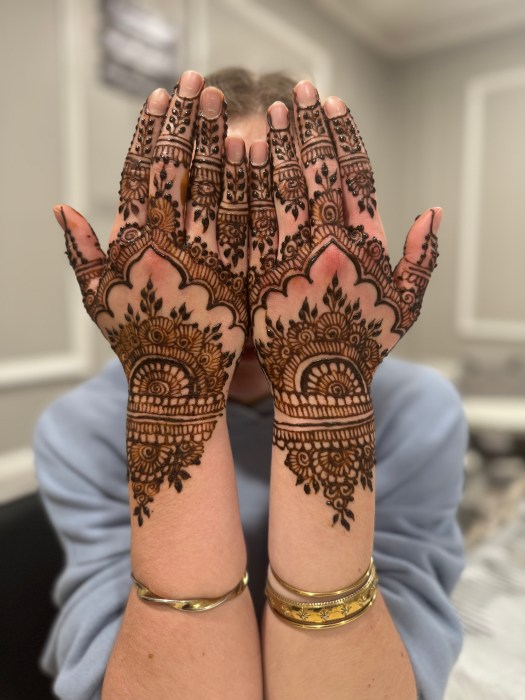
Bridal Henna
- Both hands (front & back)
- Feet till ankle
- Fingers and toes
- More…
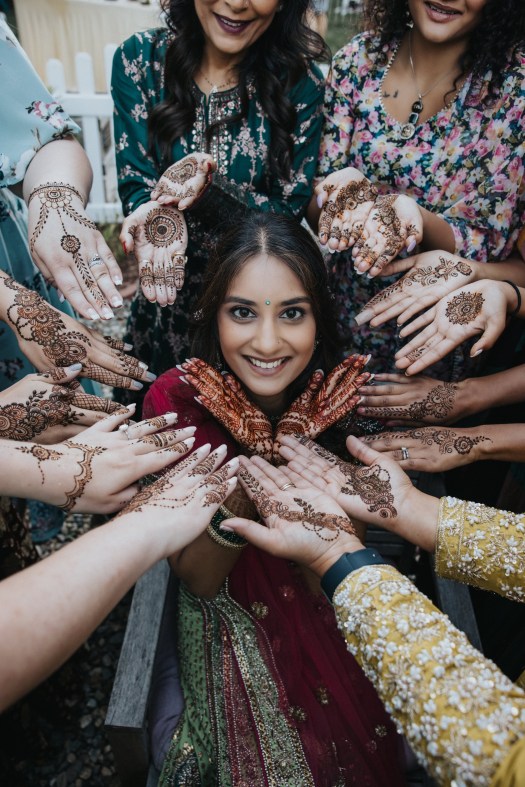
Group Henna
- Simple designs
- Half designs
- Full designs
- More…
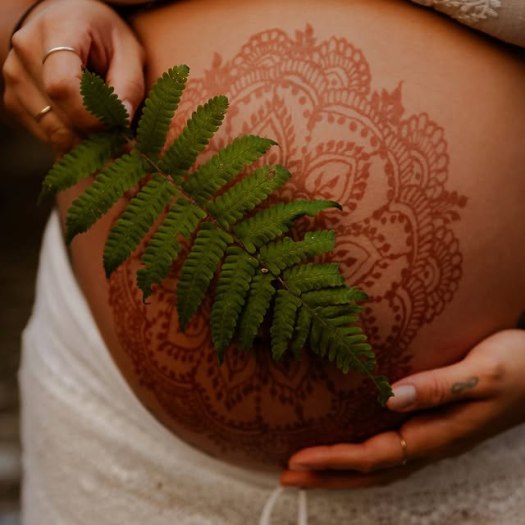
Special Henna
- Maternity
- Baby Shower
- Head Crown
- Back
- More…
Why us?
- Natural Henna
We use natural henna and mix it with our own paste rather than store-bought or commercial henna paste to bring more darker and long-lasting color. Artificial, factory-made, store-bought henna is poisonous and could cause serious allergic reactions.
- Experienced Henna Artists
We have henna artists with 10+ years of experience in the Boston and Chicago area who can do various designs and patterns and are available for travel nation/worldwide directly to you. We use an organized booking system to save you time and money.
- Free Estimates and Consultation
We do various events/festivals and offer a variety of styles for individual, group, bridal, or just simple henna. We do not charge for consultations and give free estimates. We can customize the price range for your needs with hourly and/or flat rates.
Photo Gallery
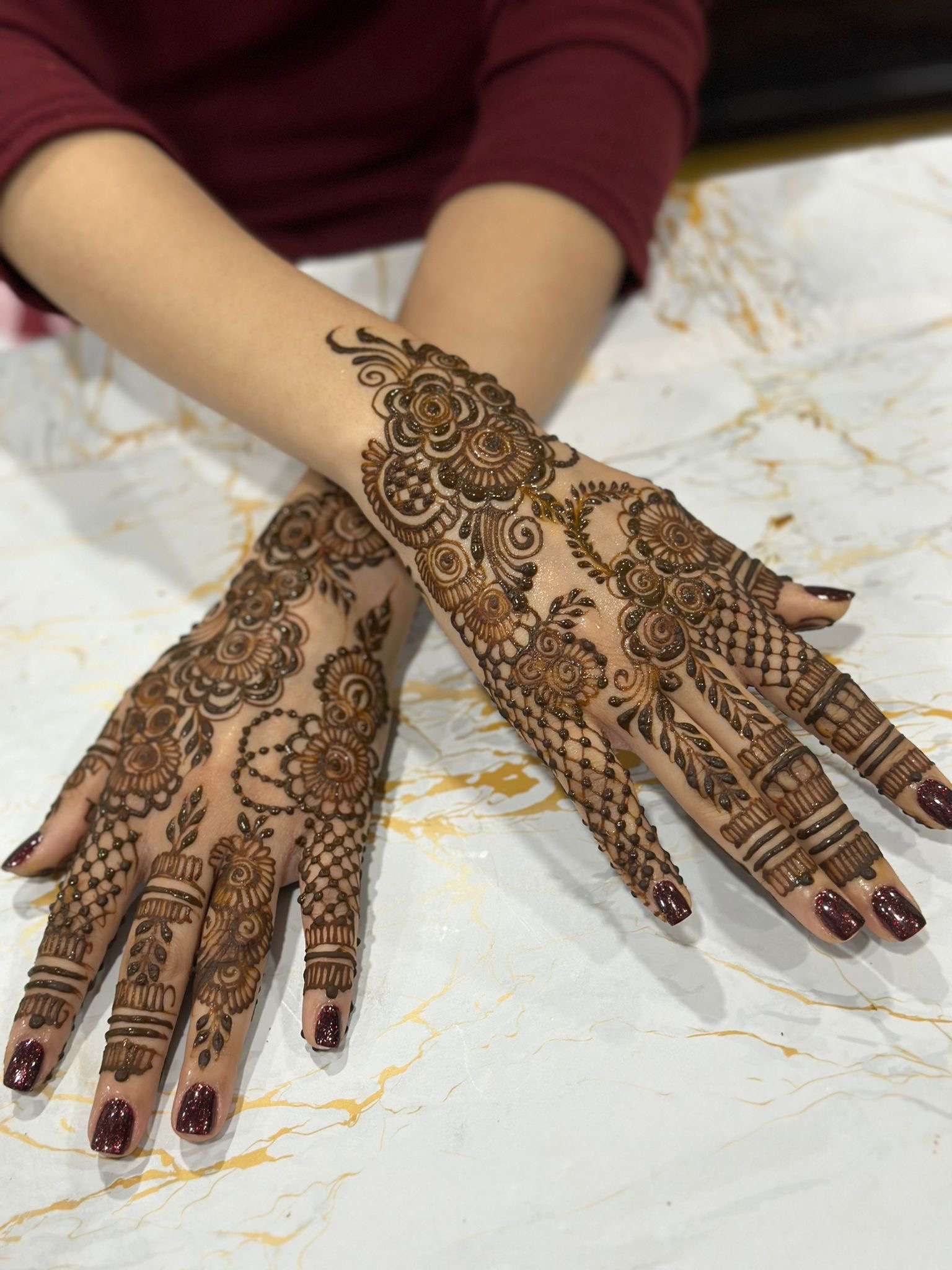
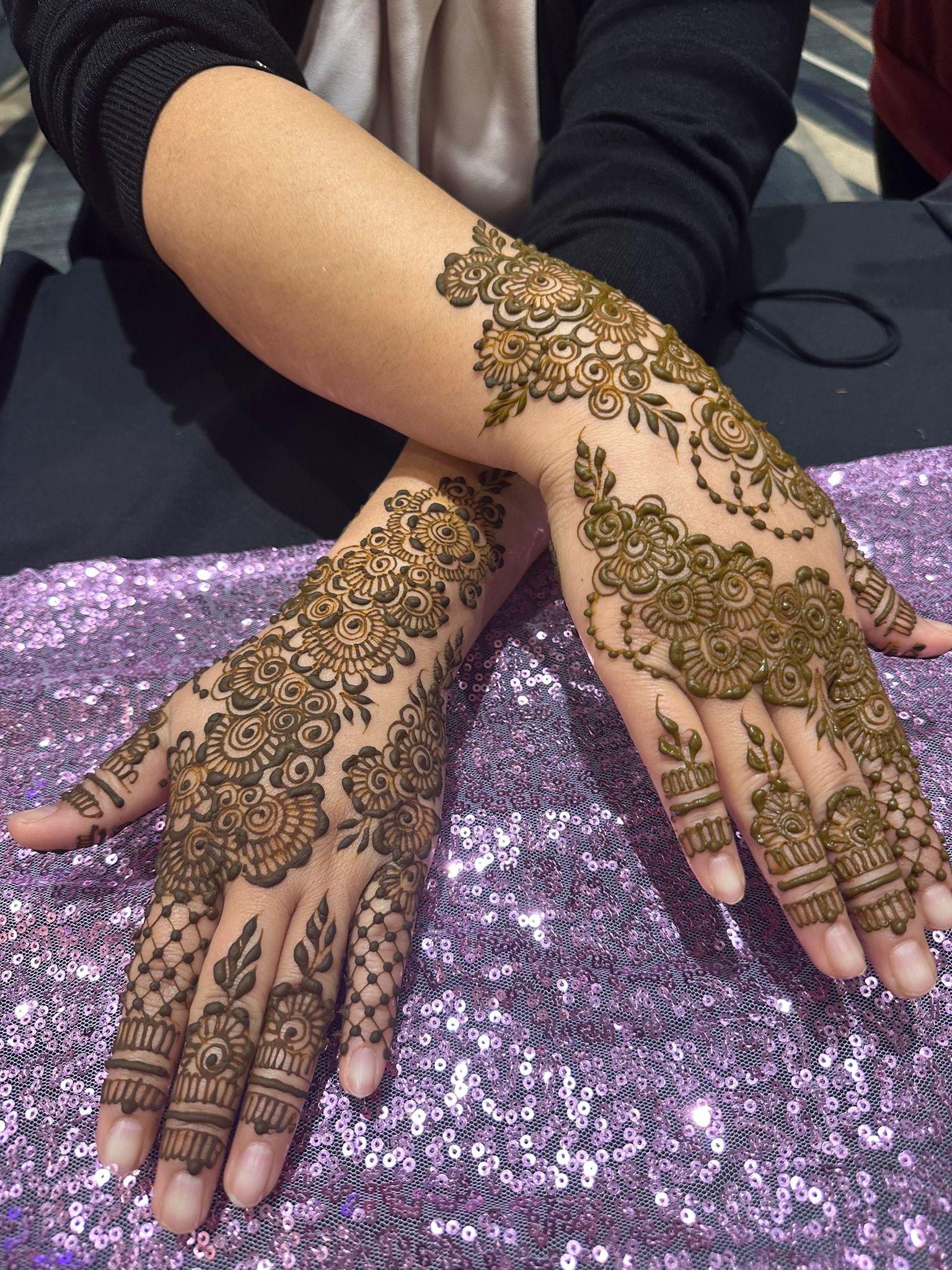
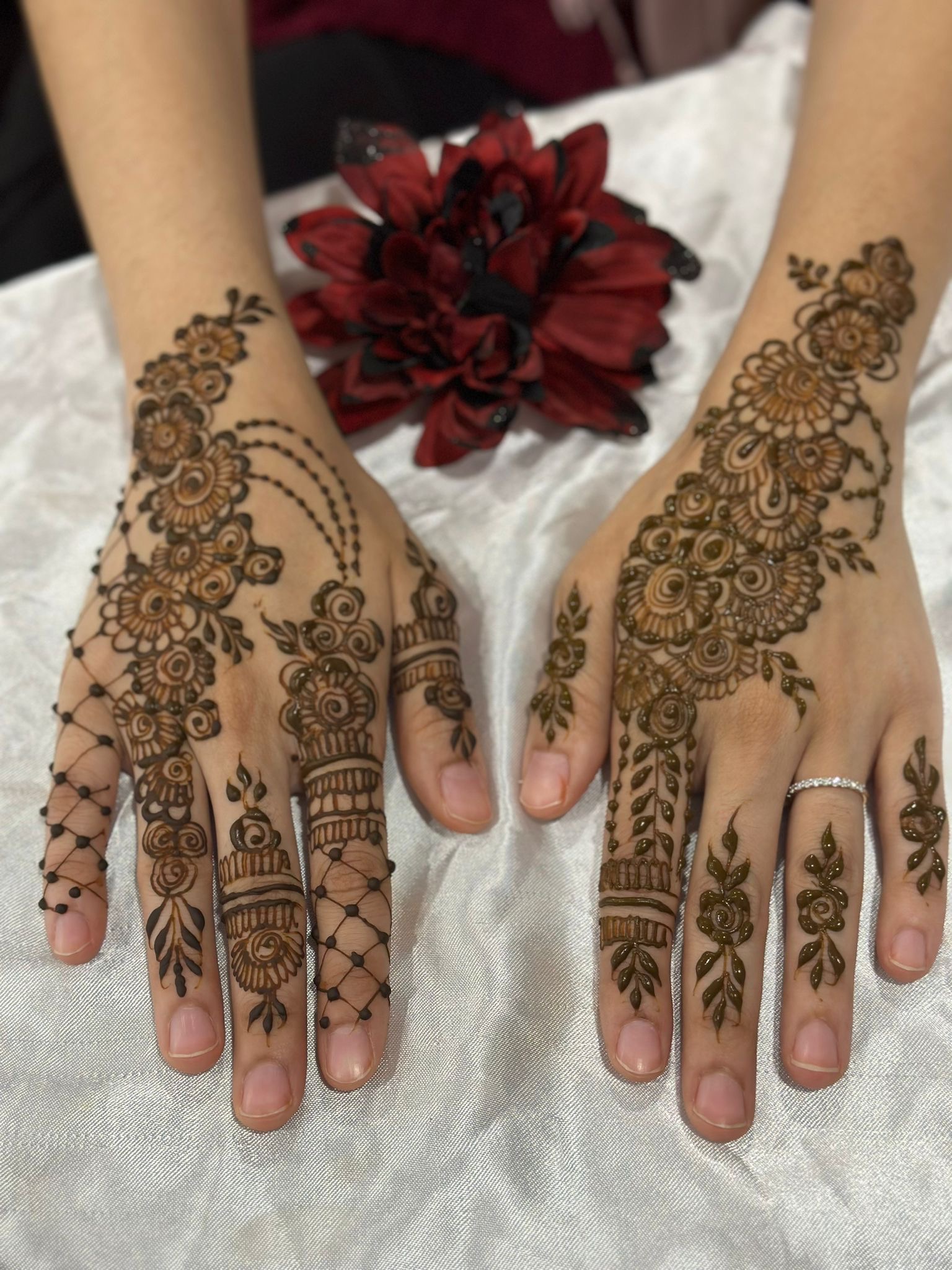
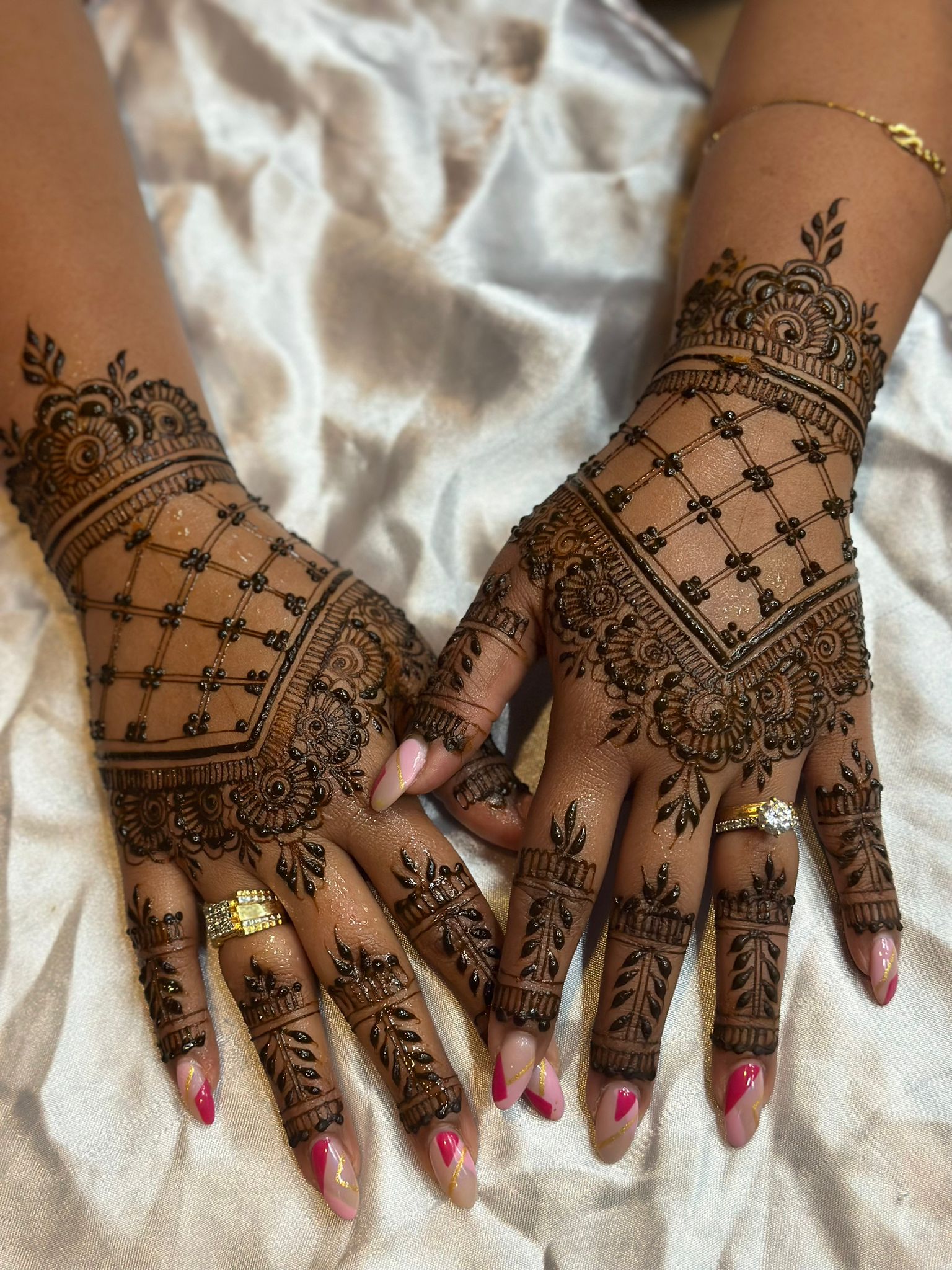
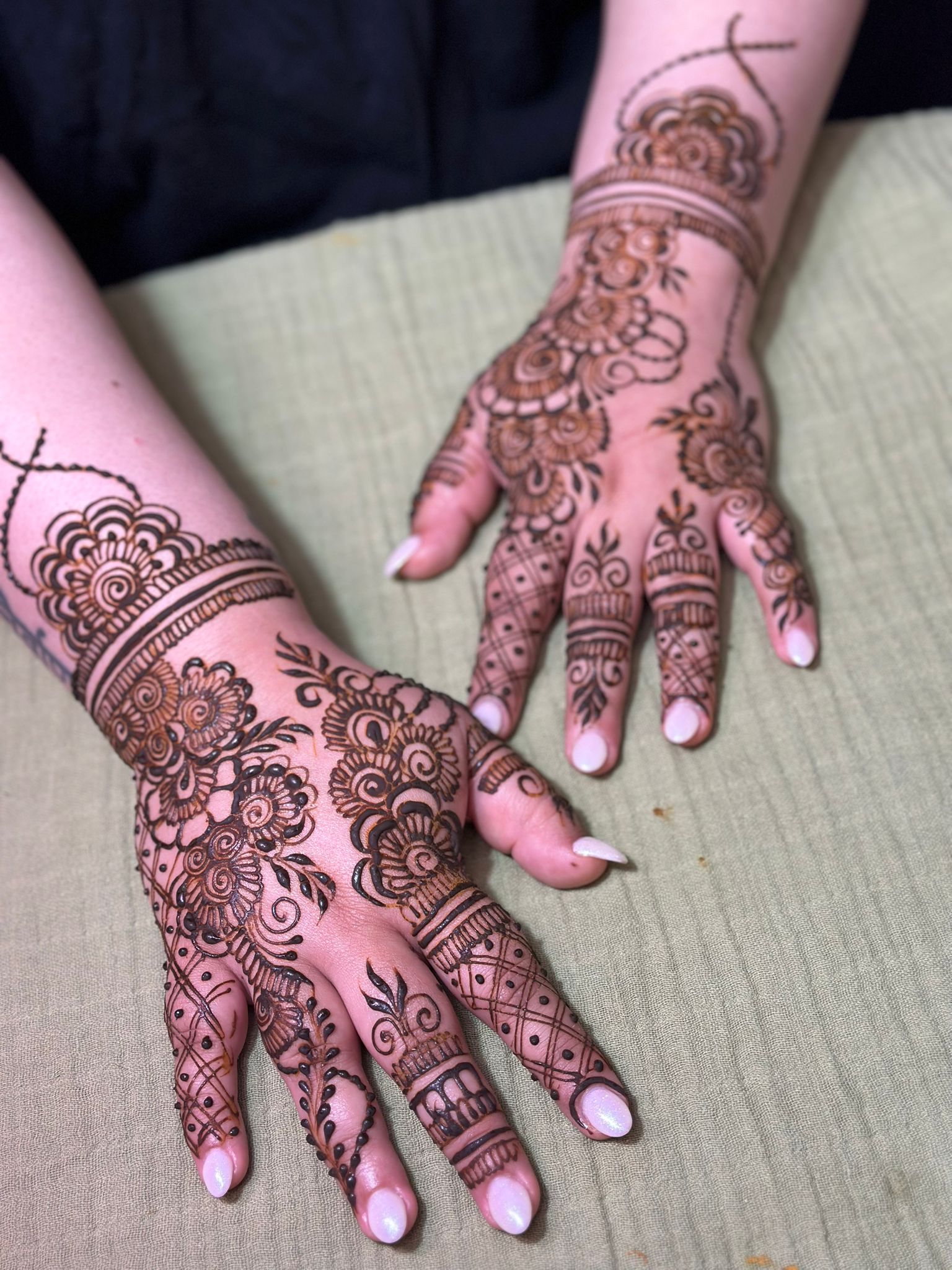
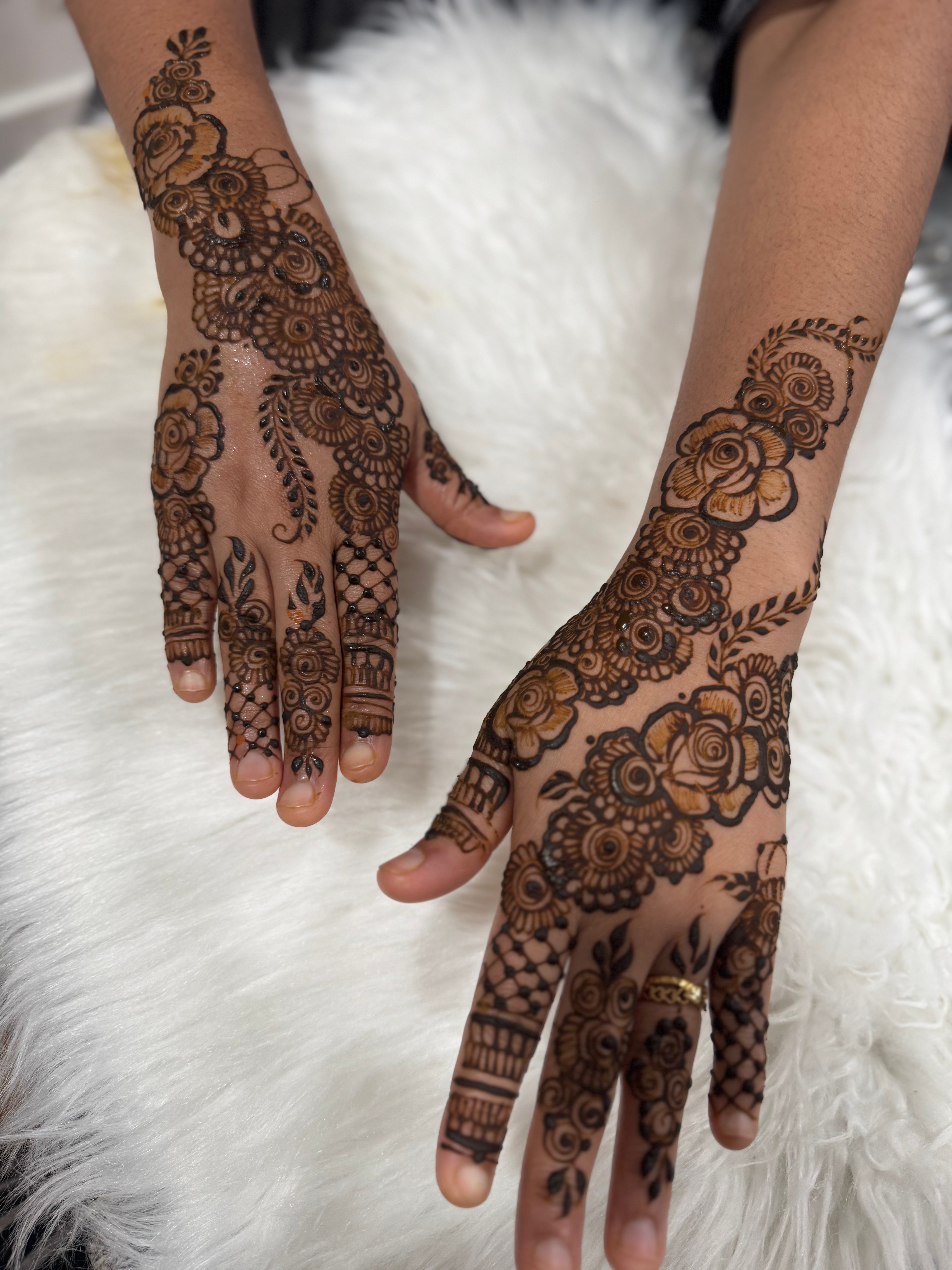
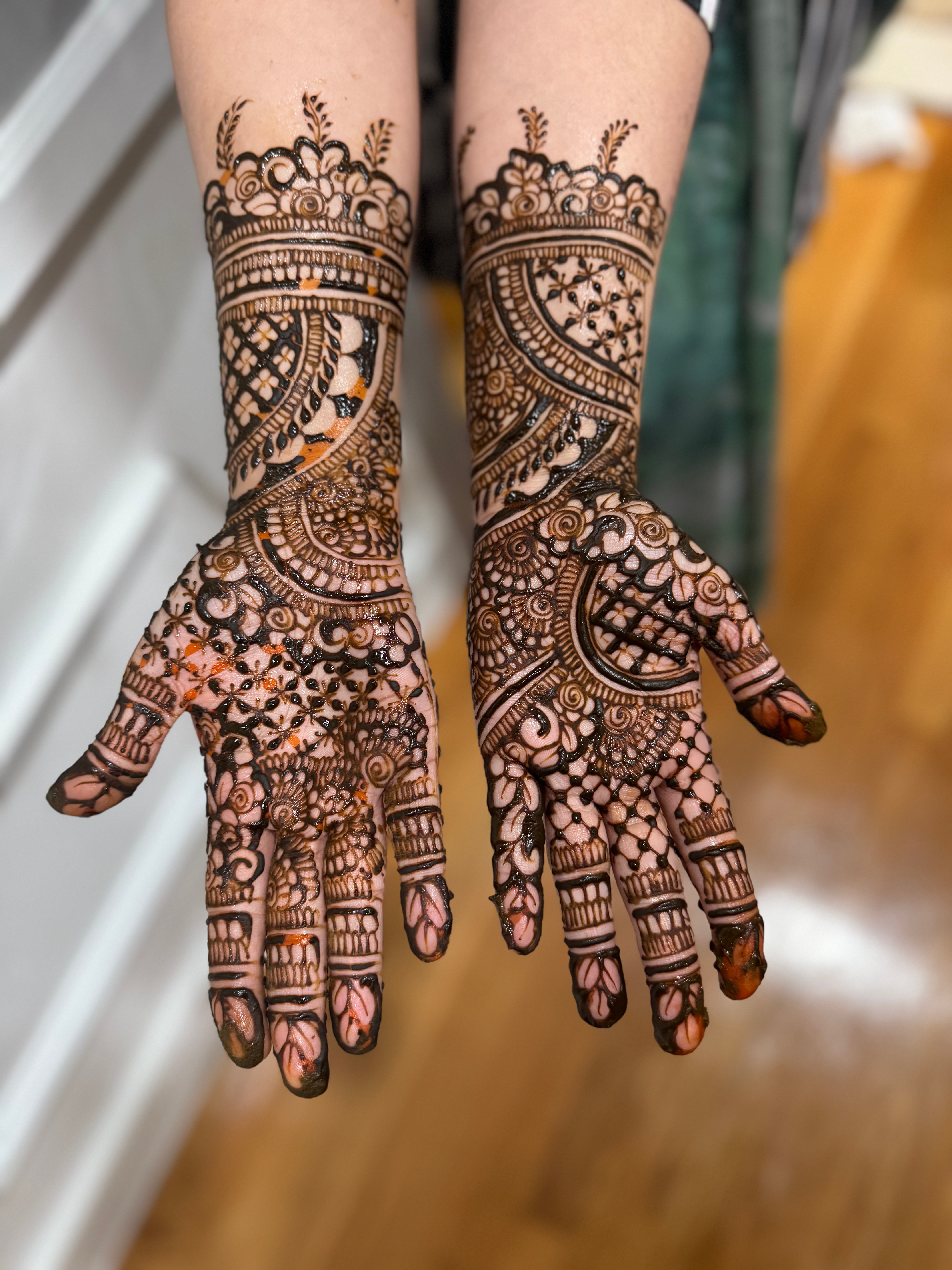
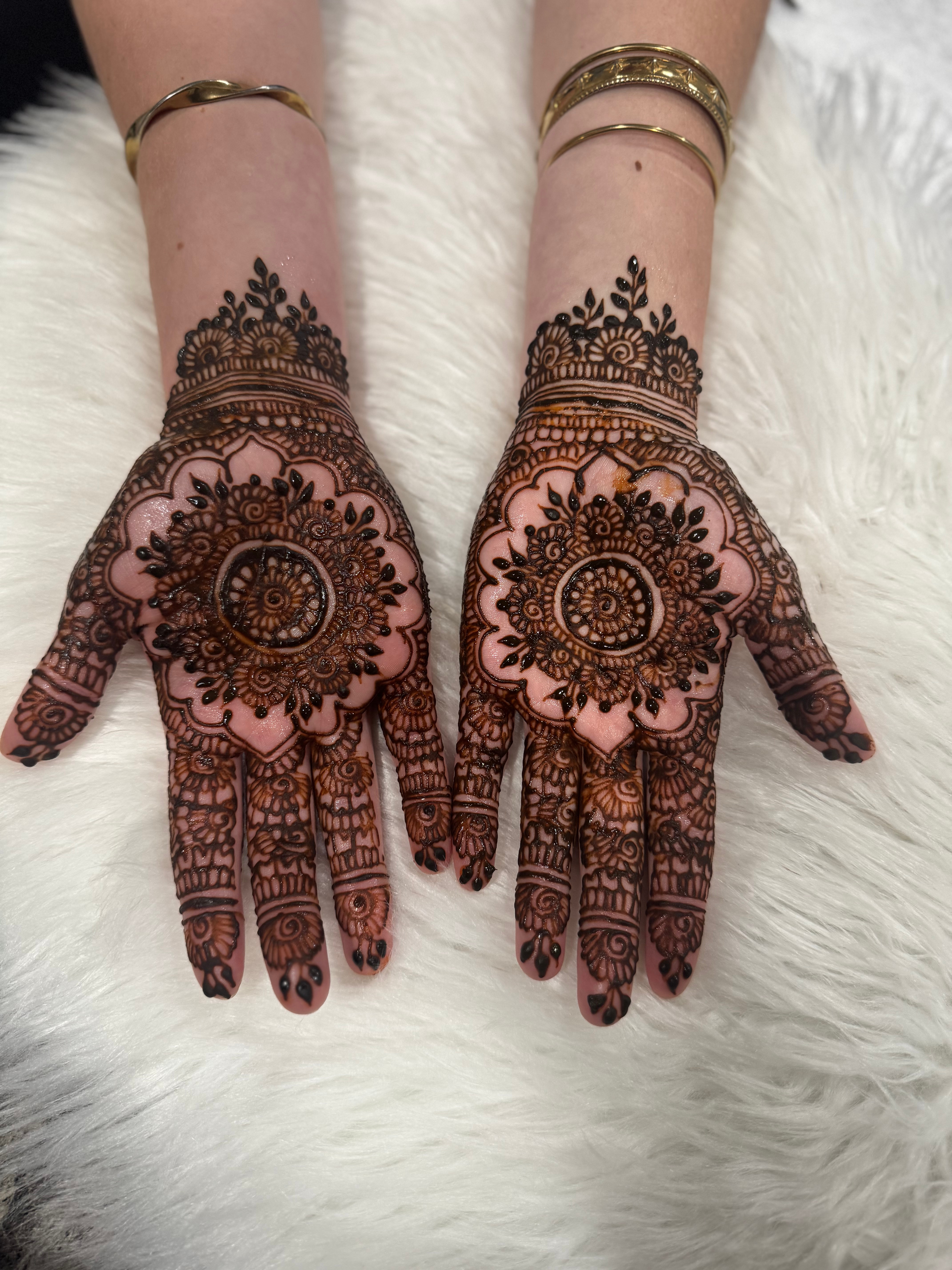
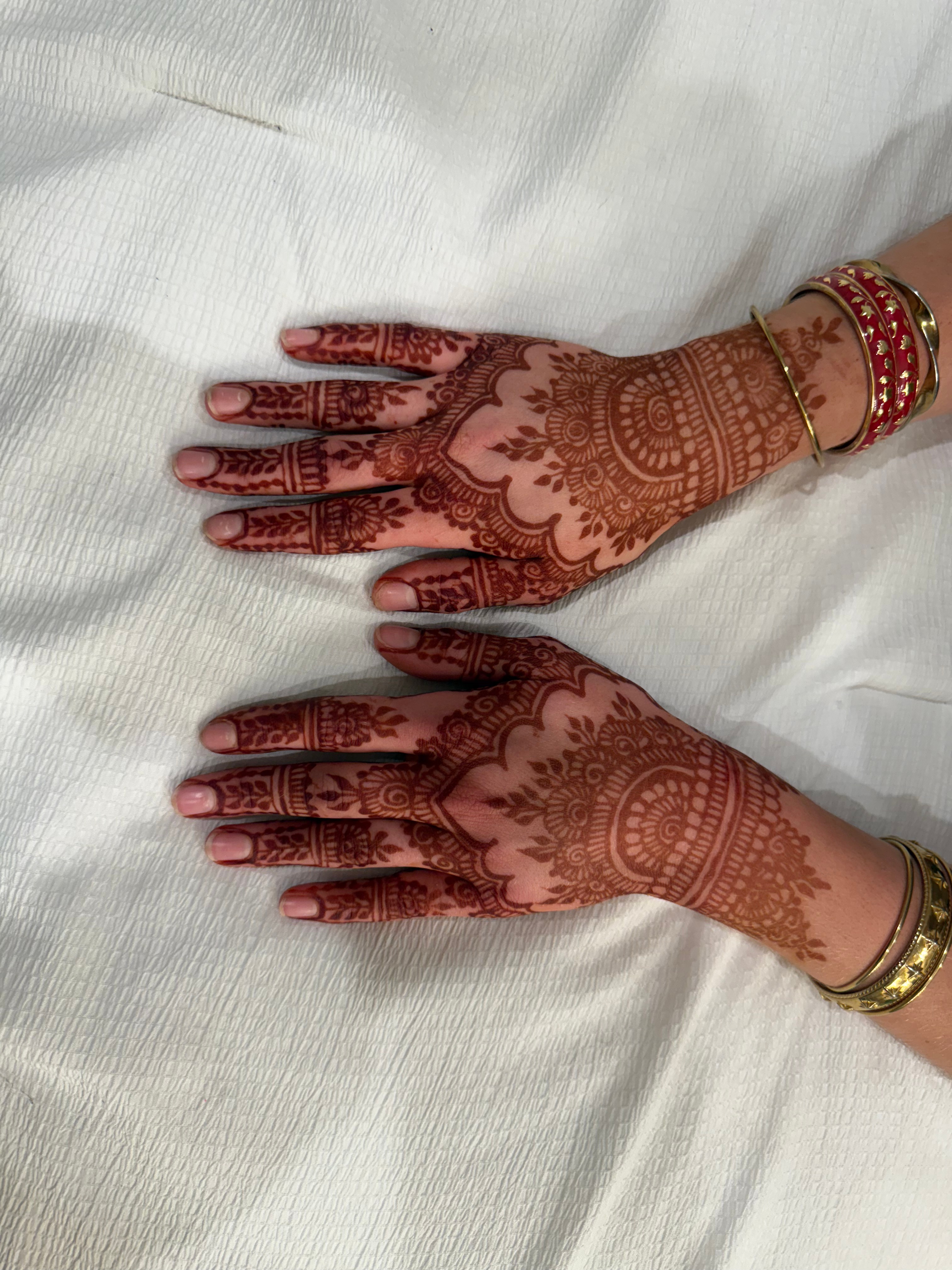
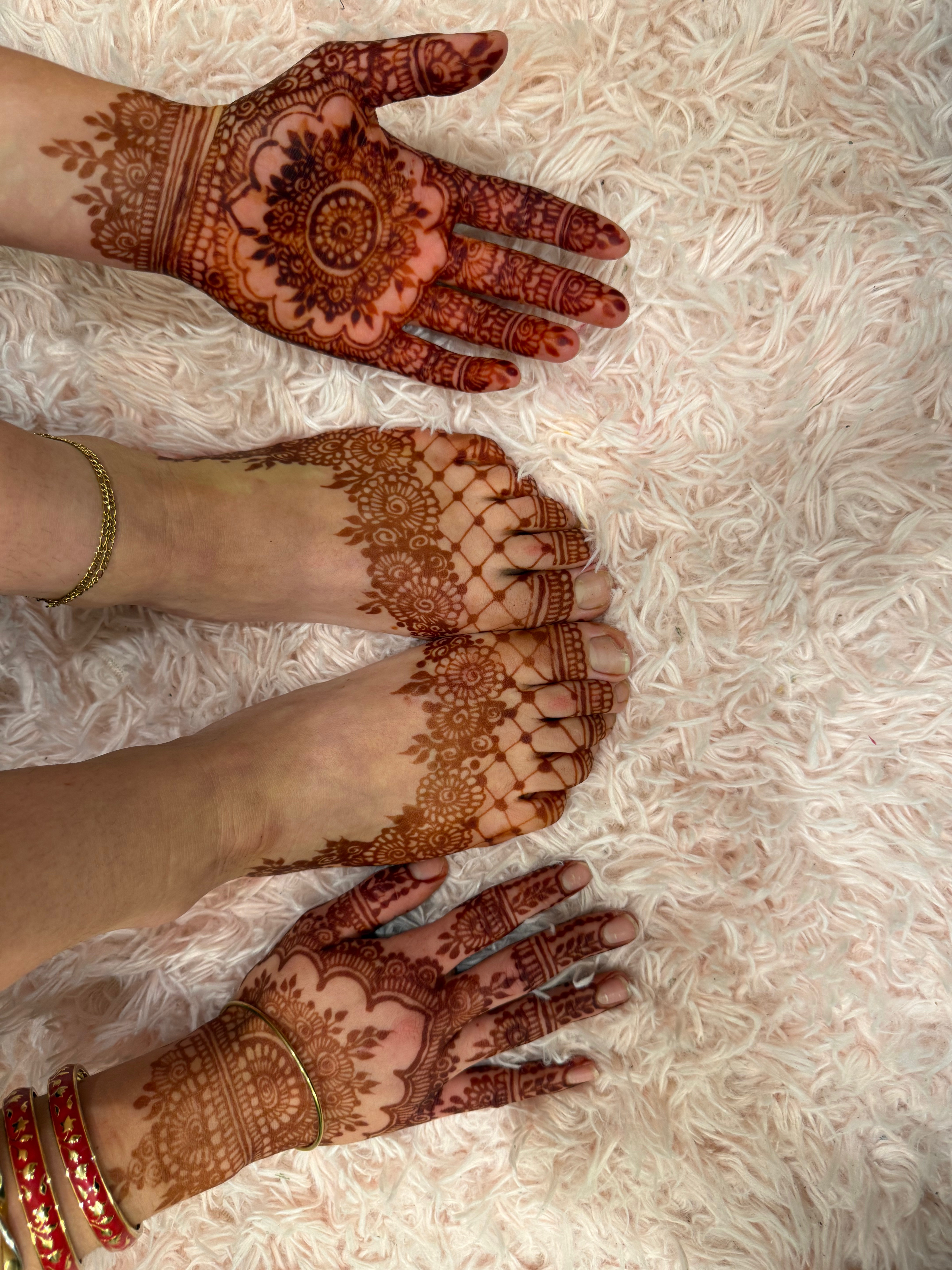
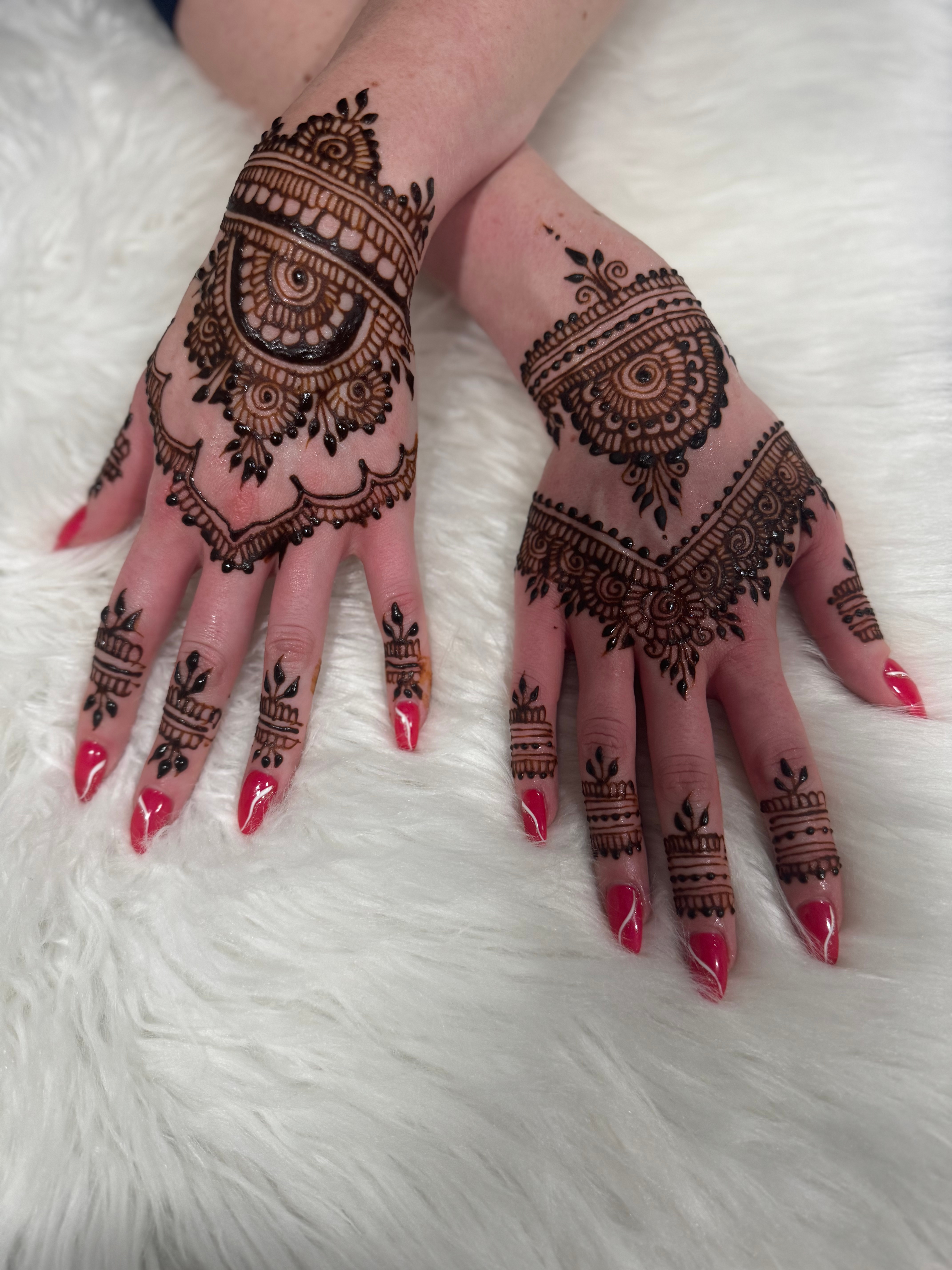
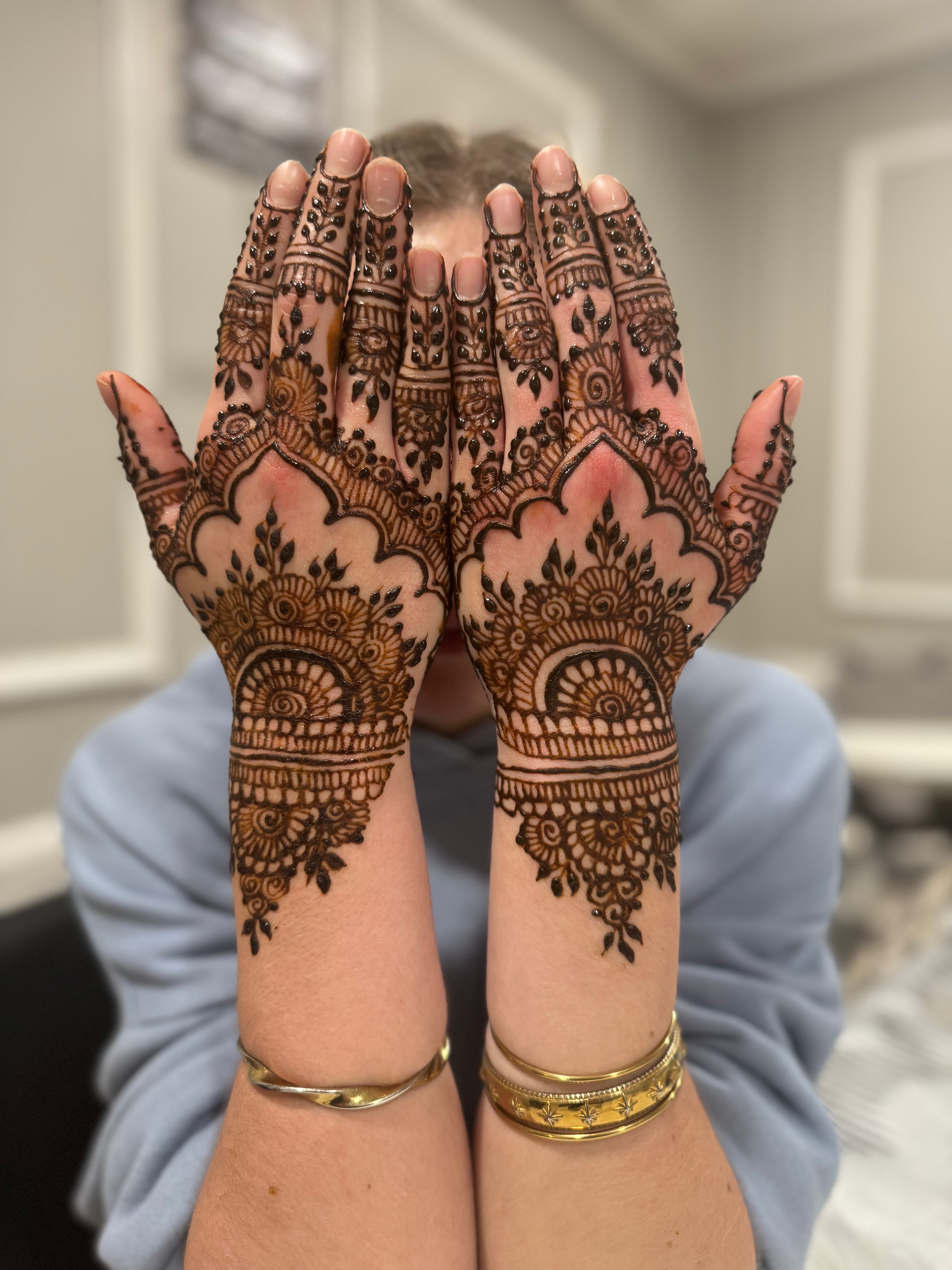
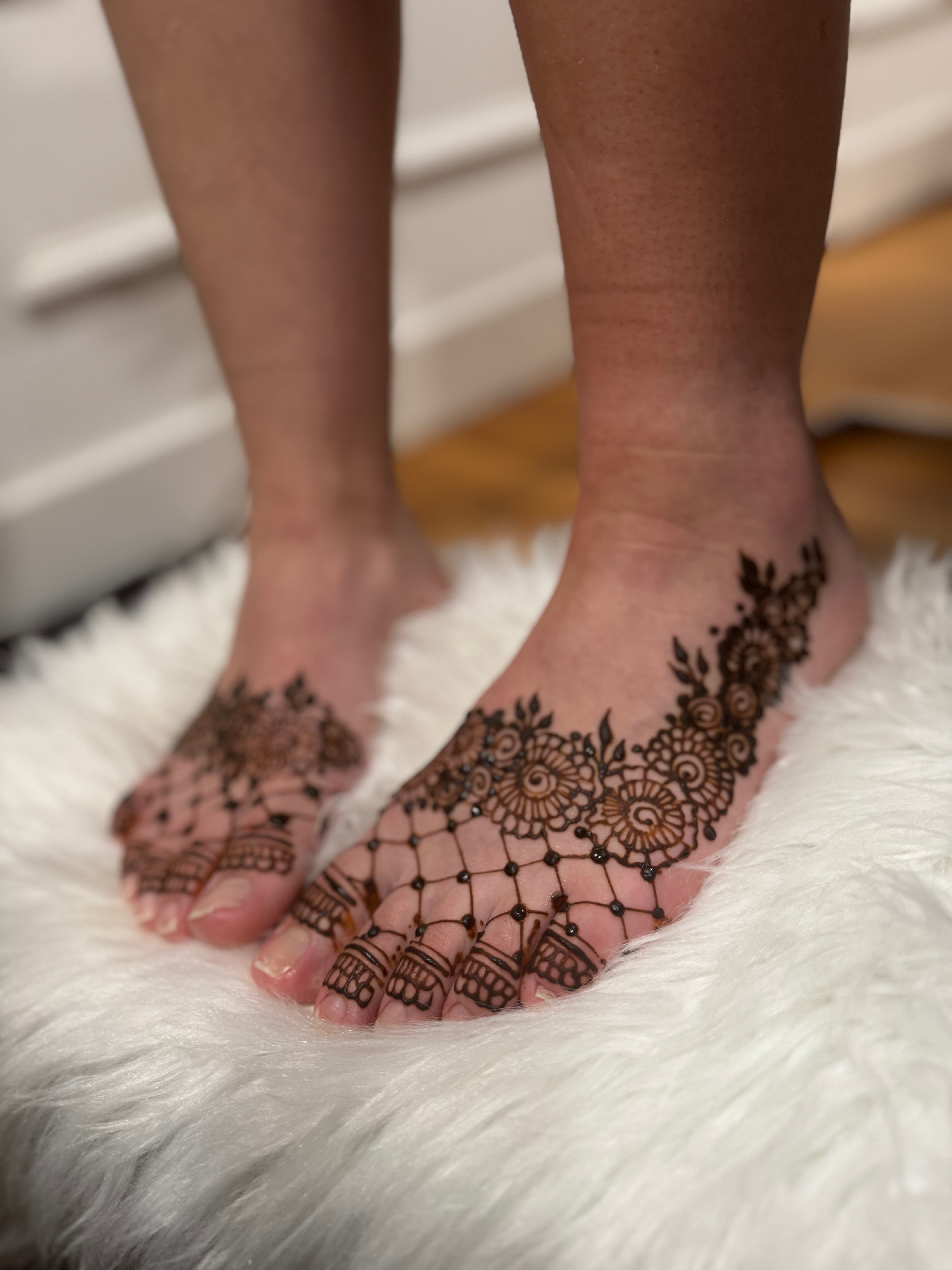
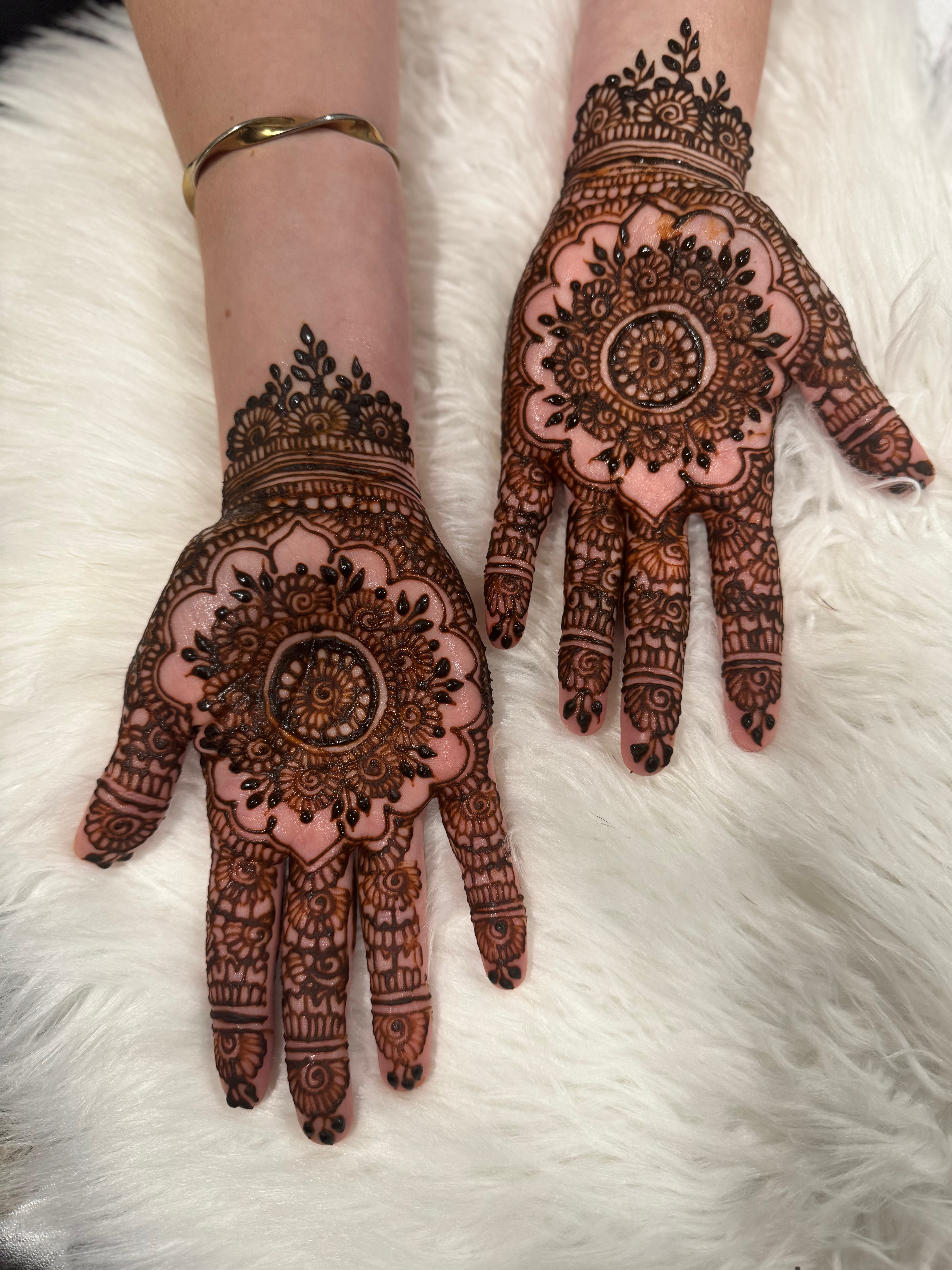
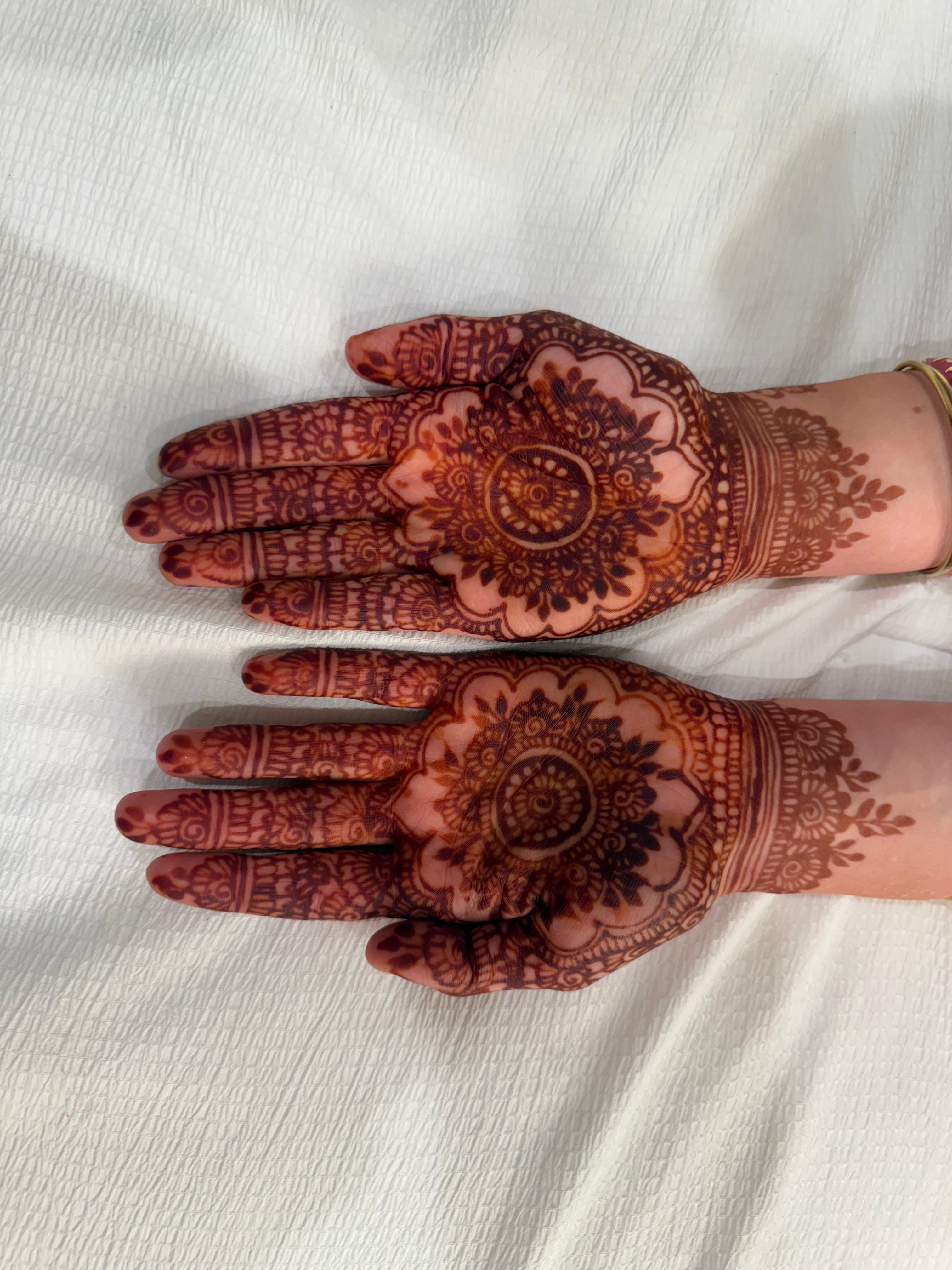
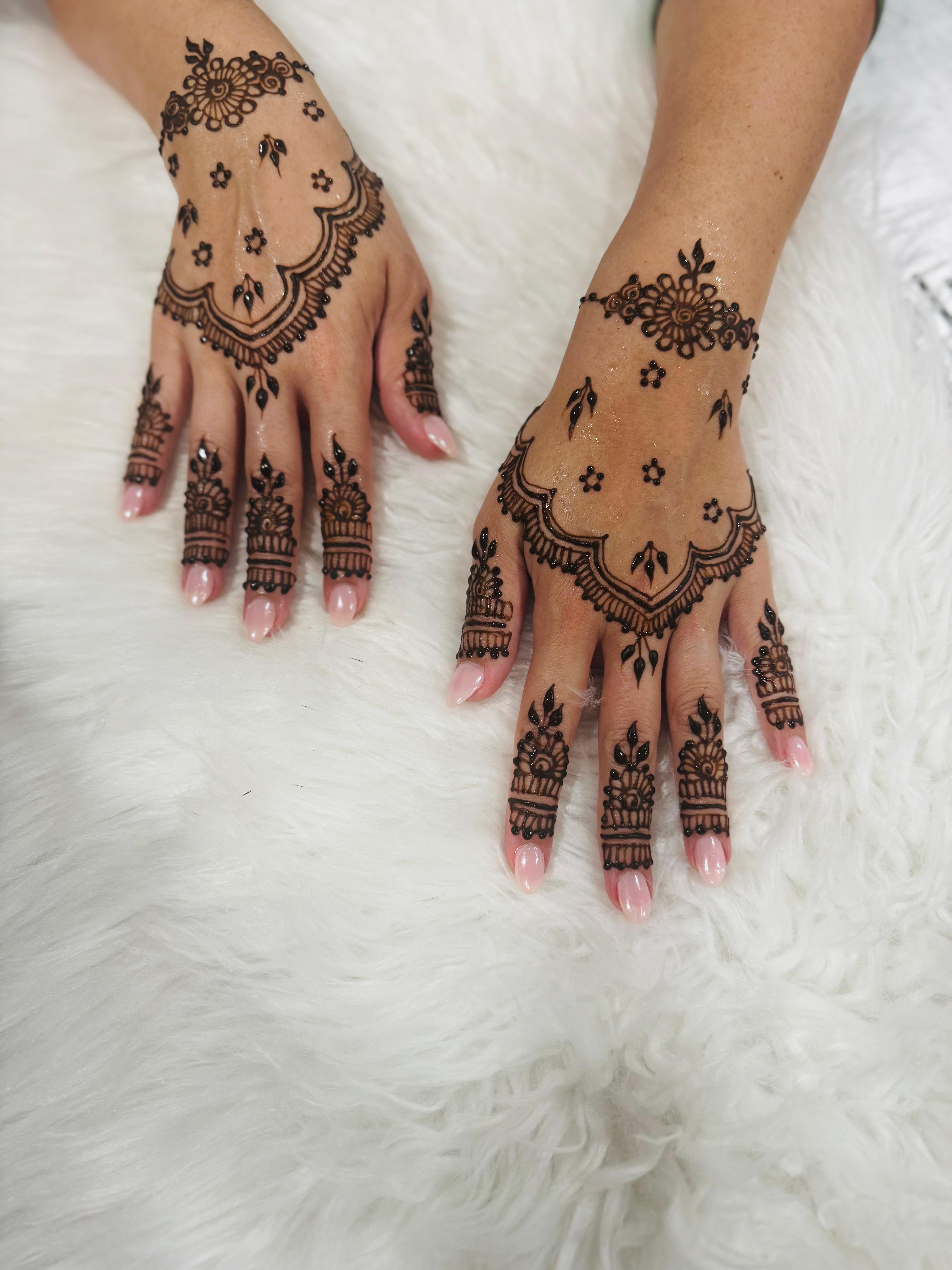
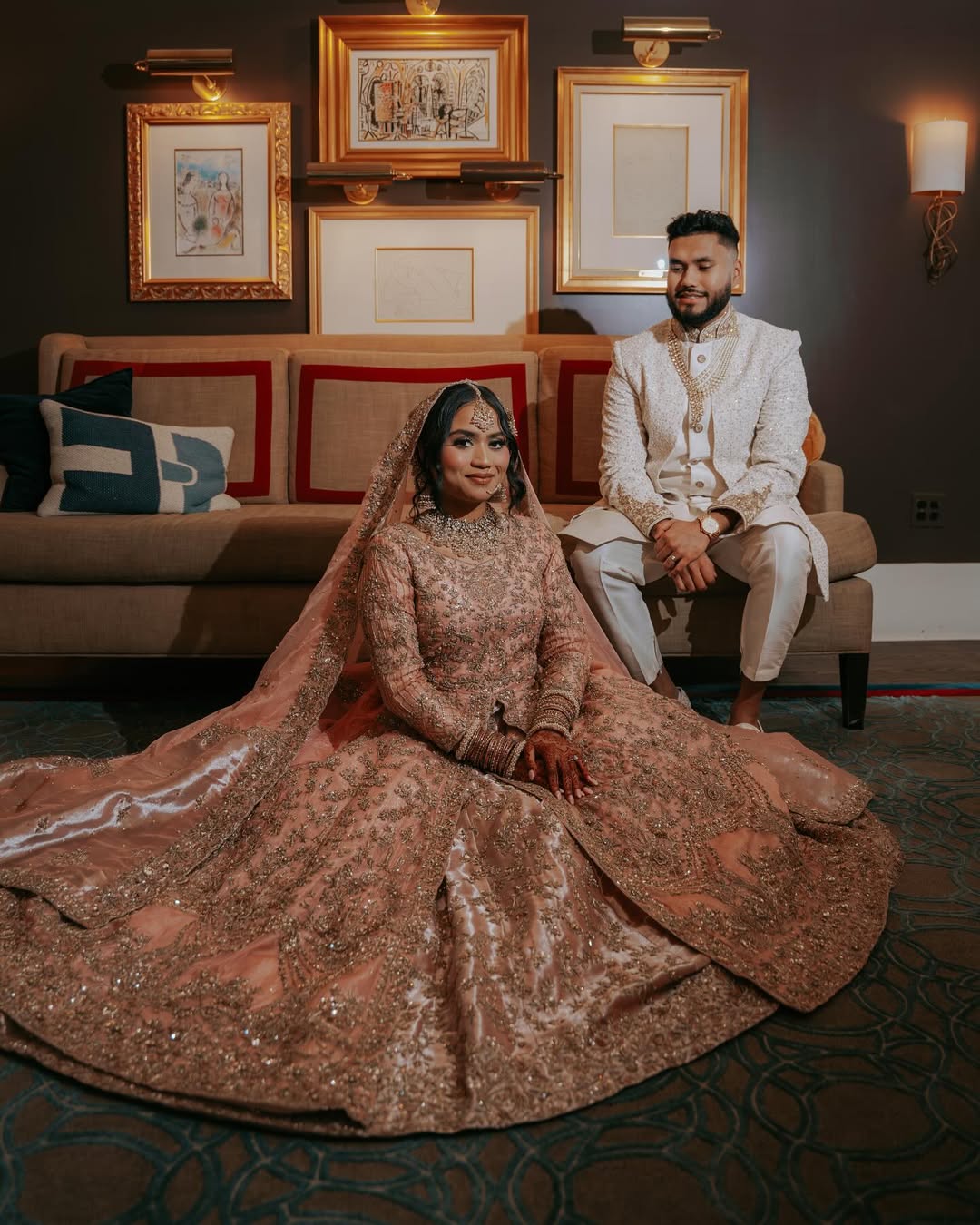
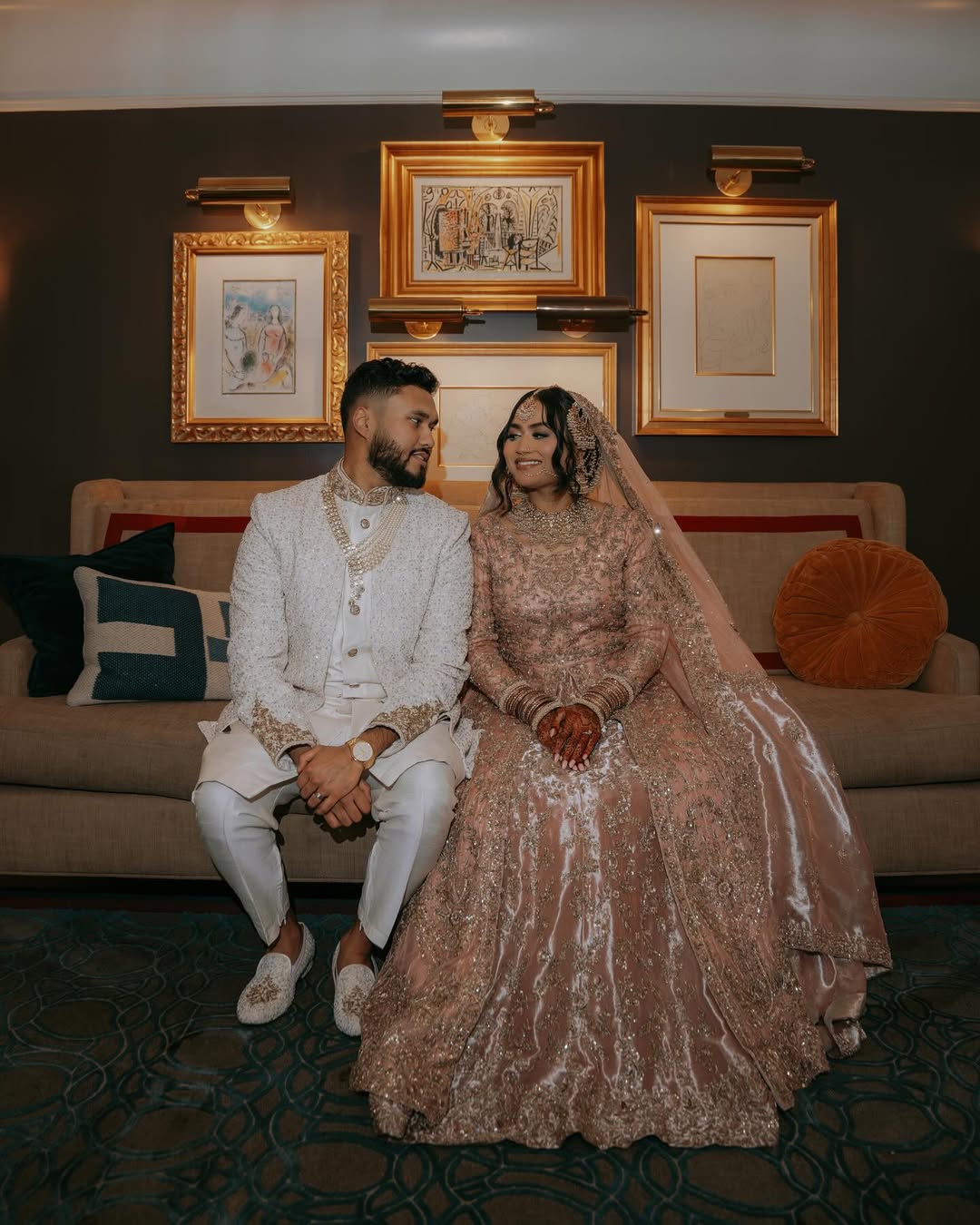
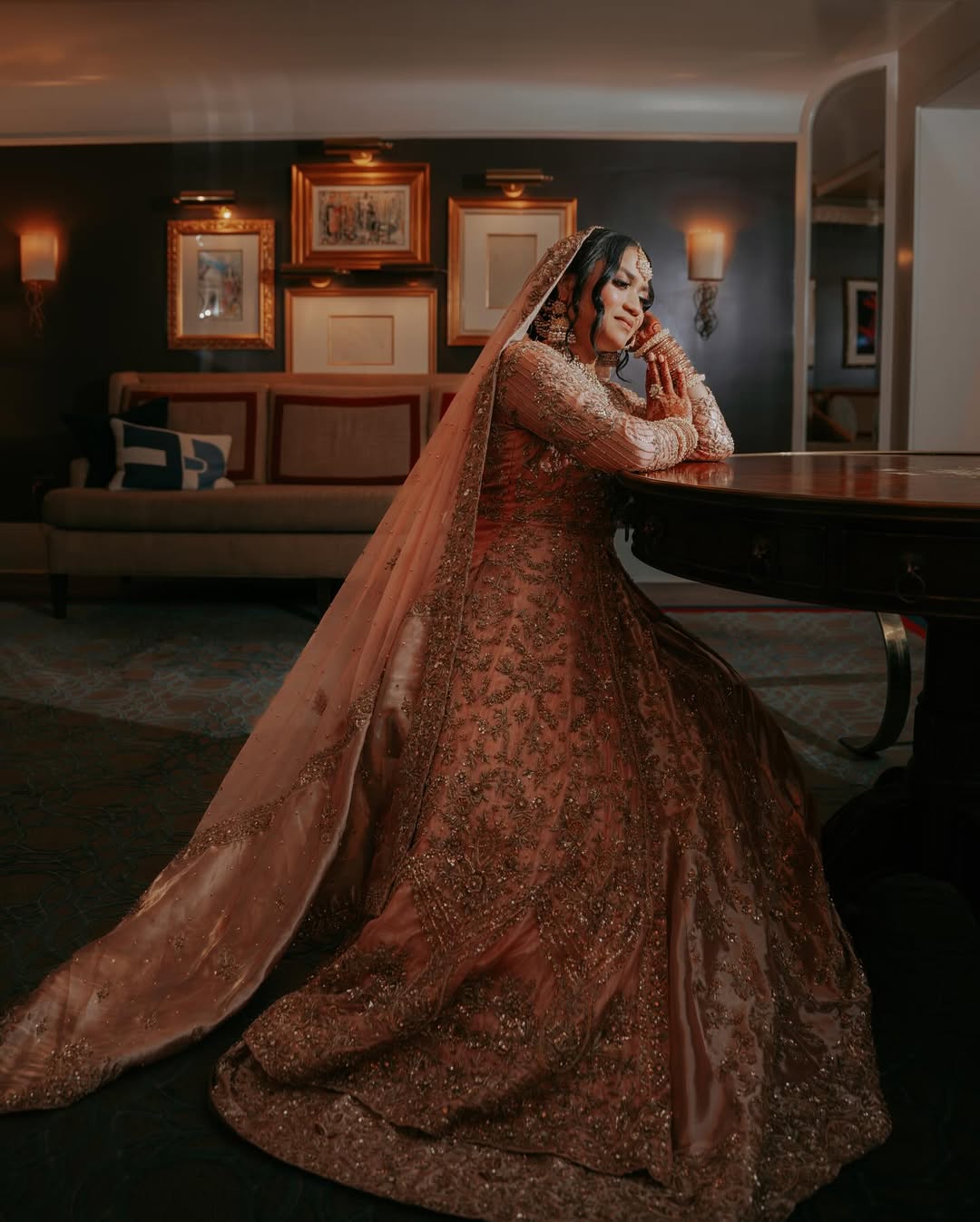
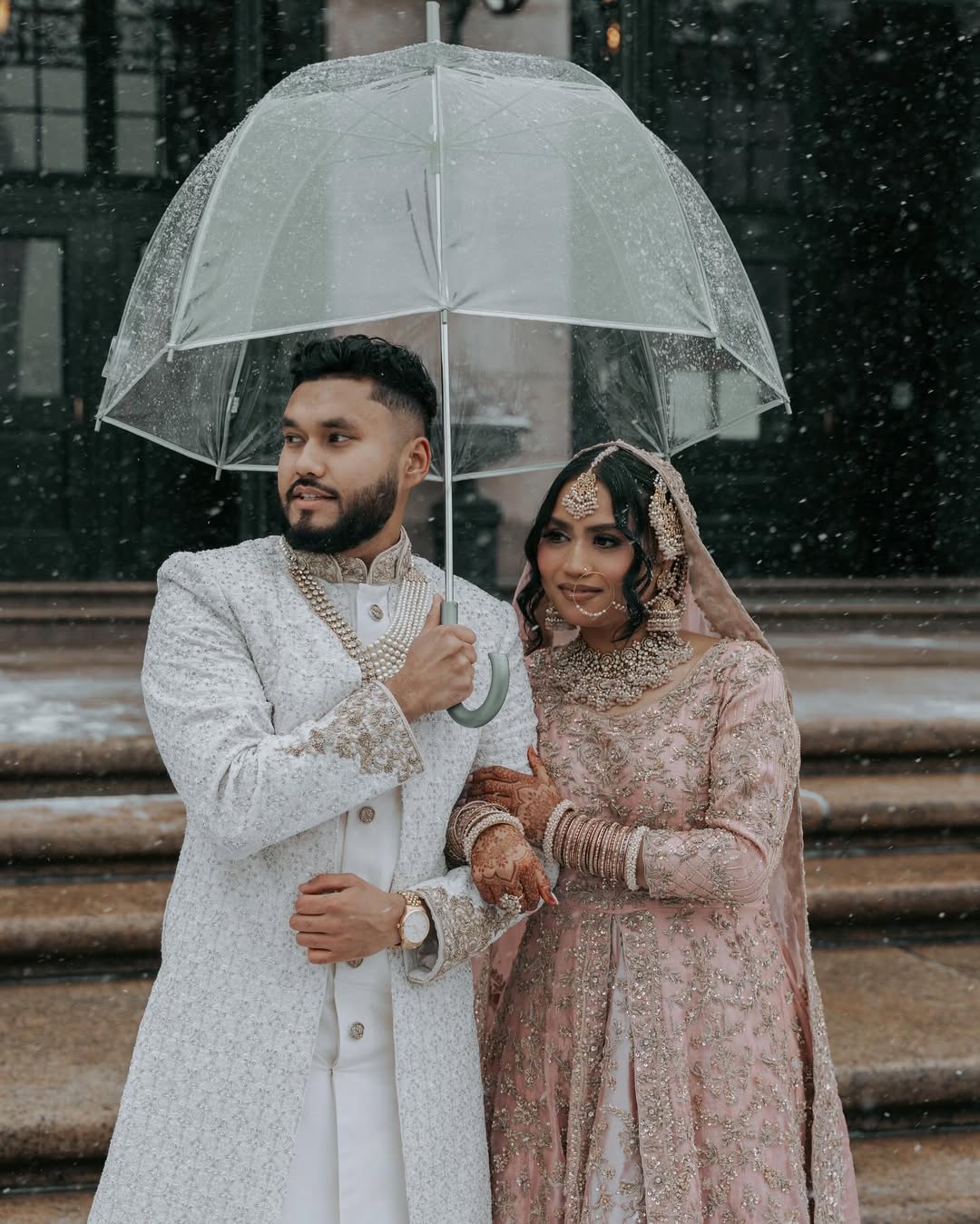
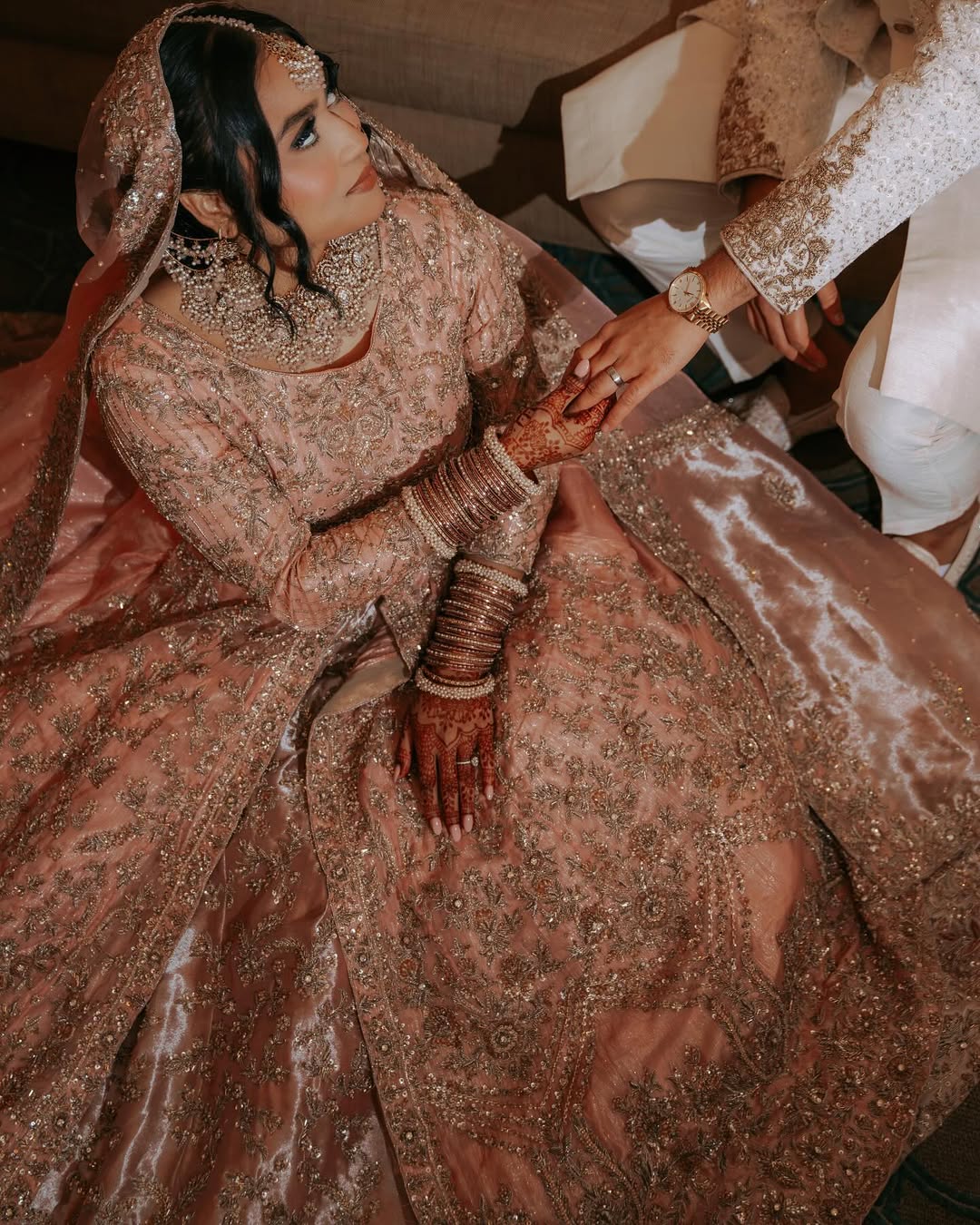

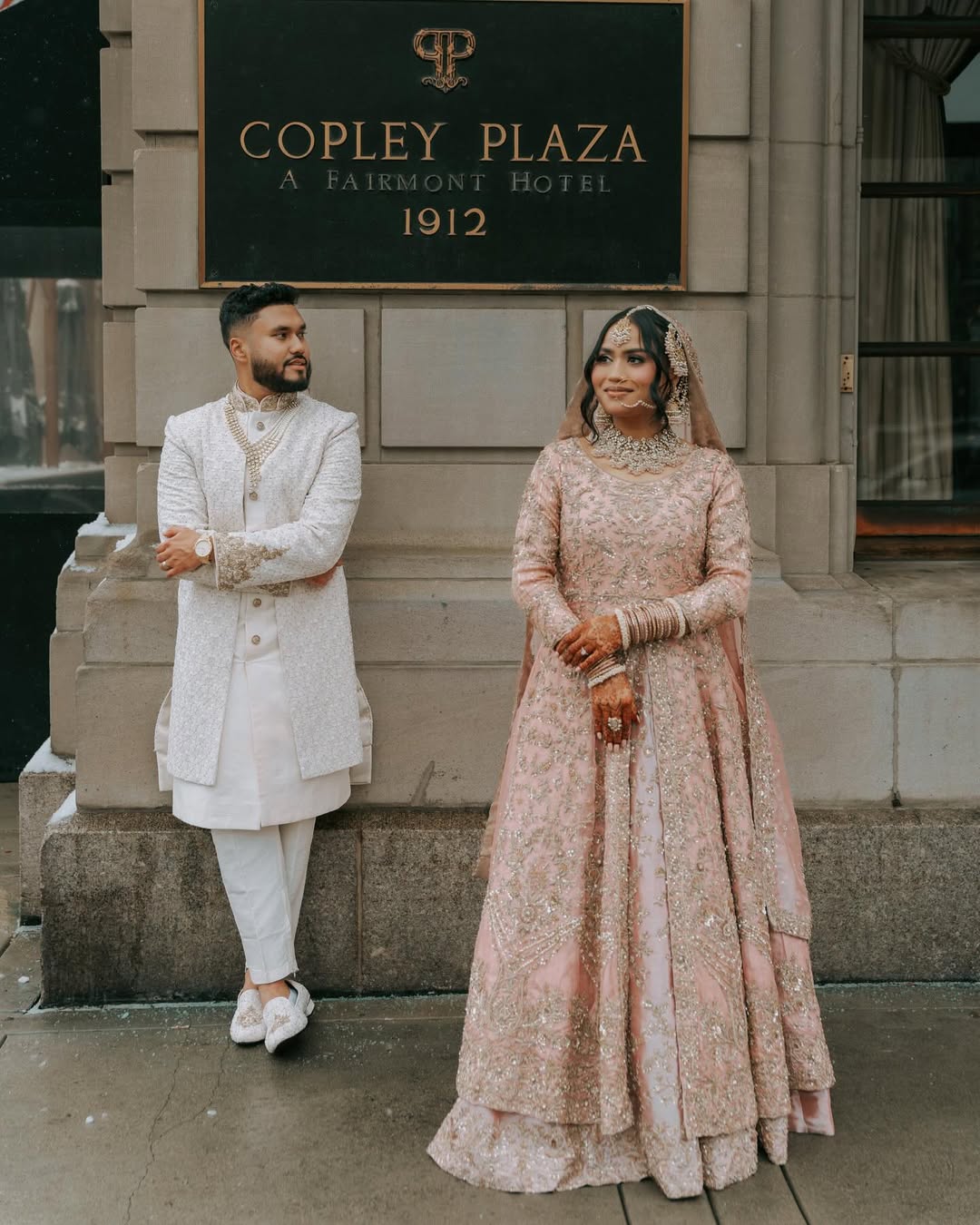
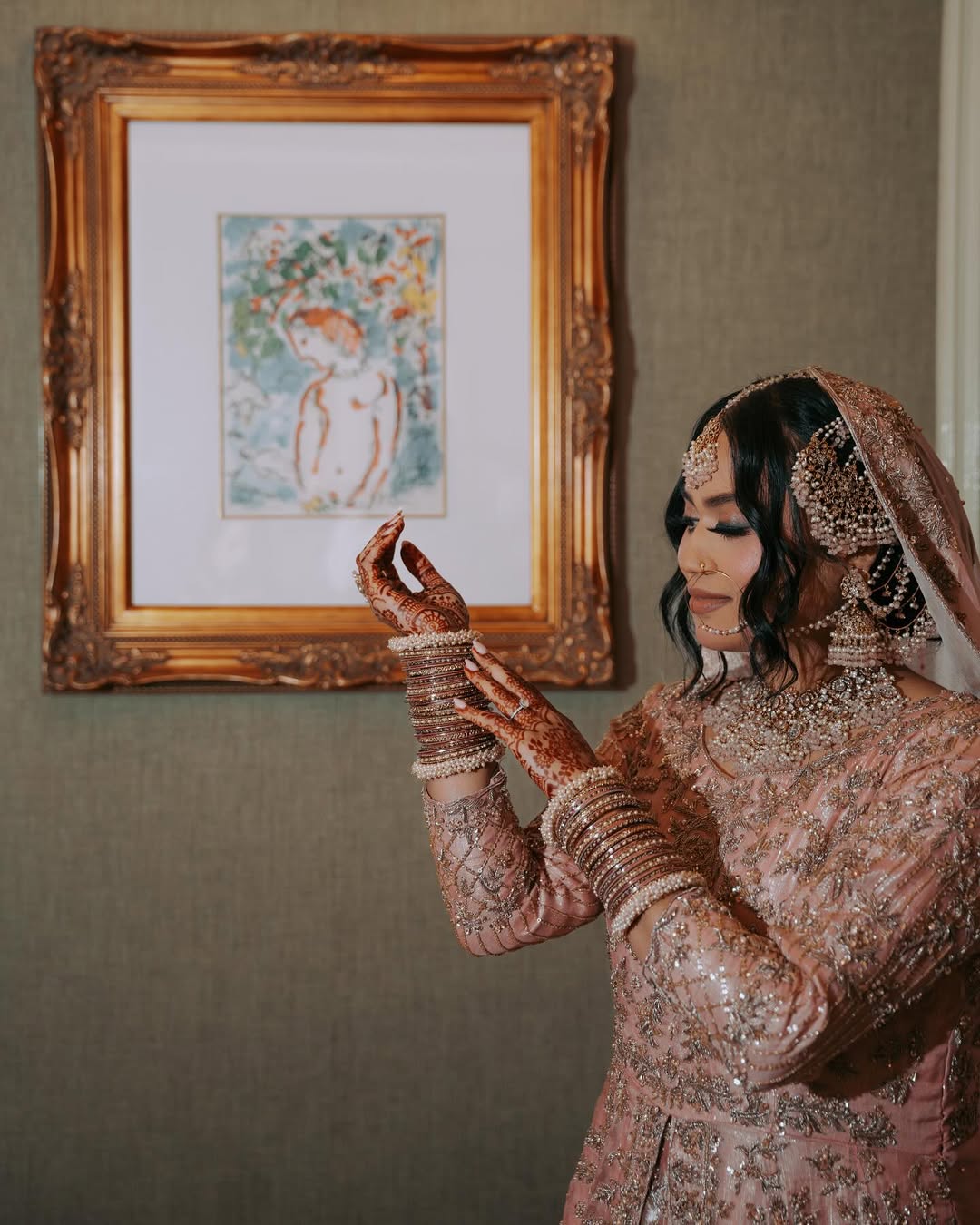
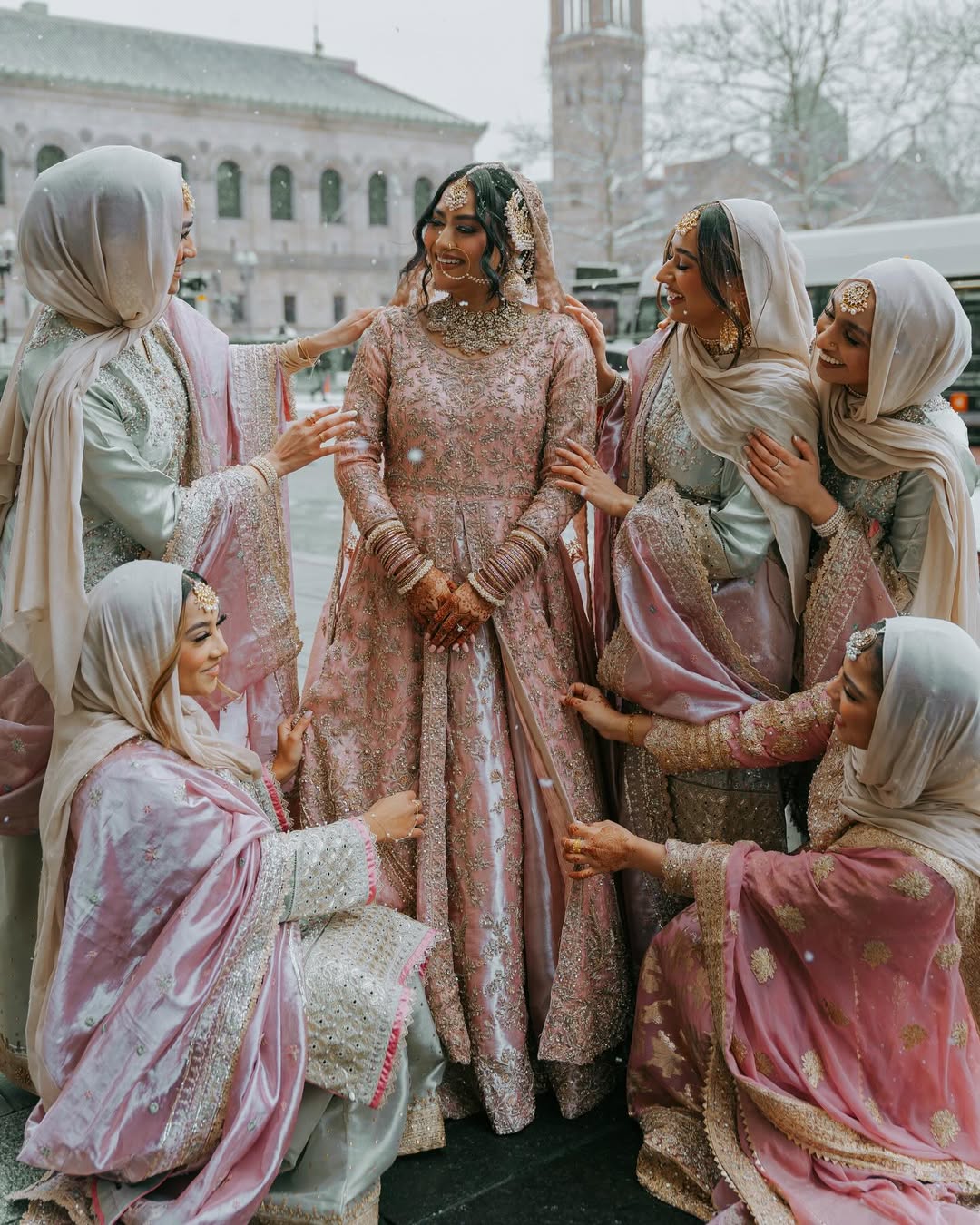
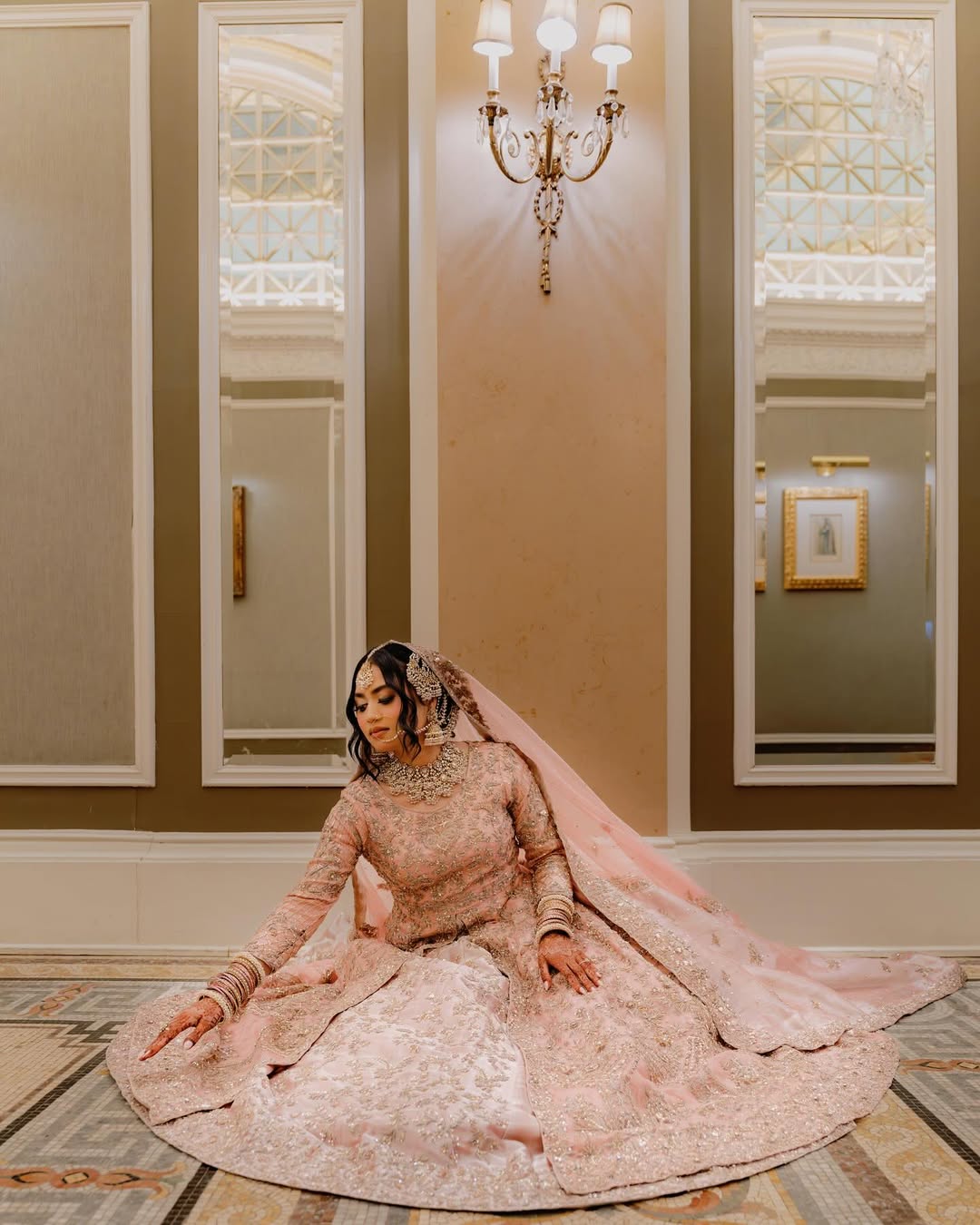
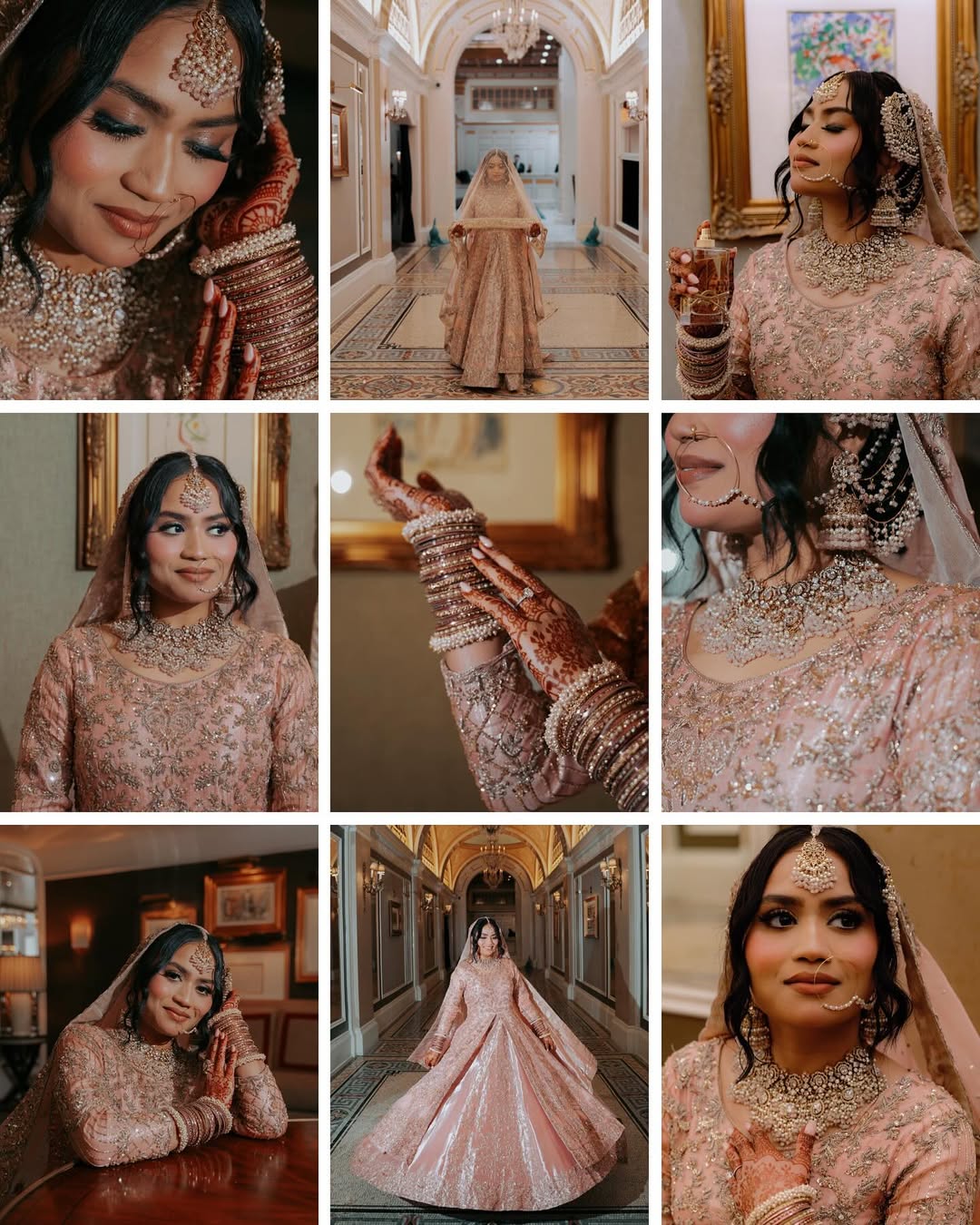
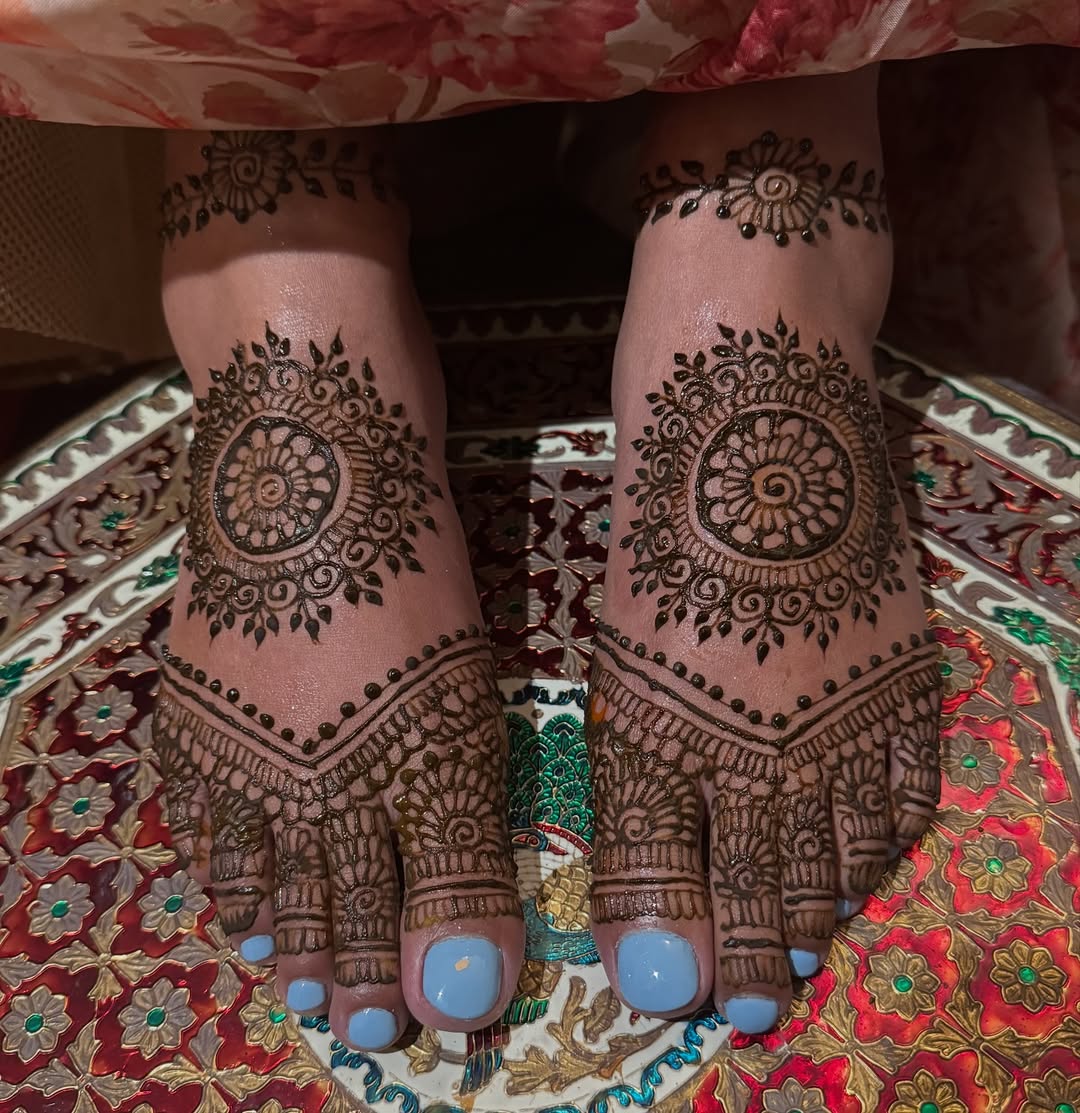
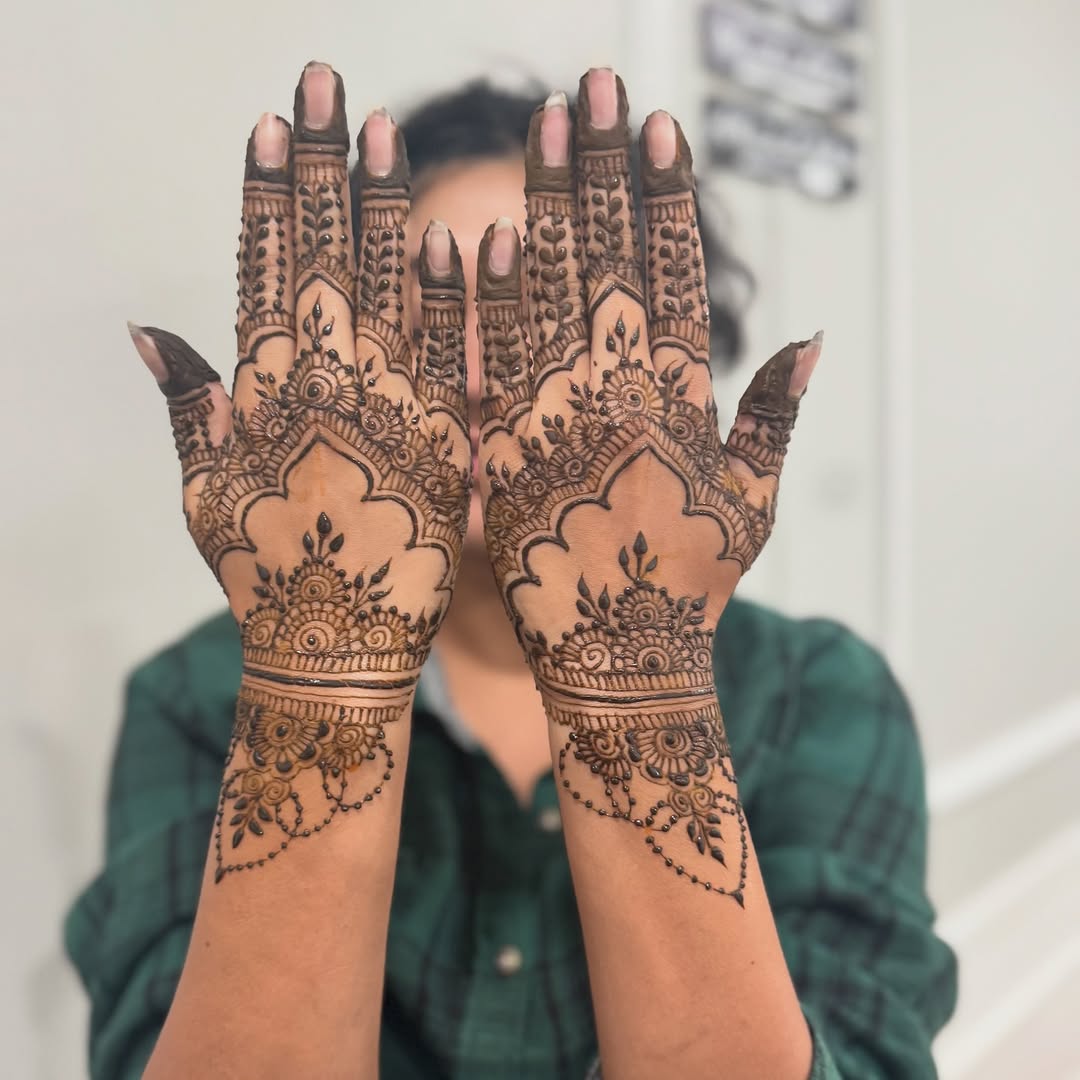


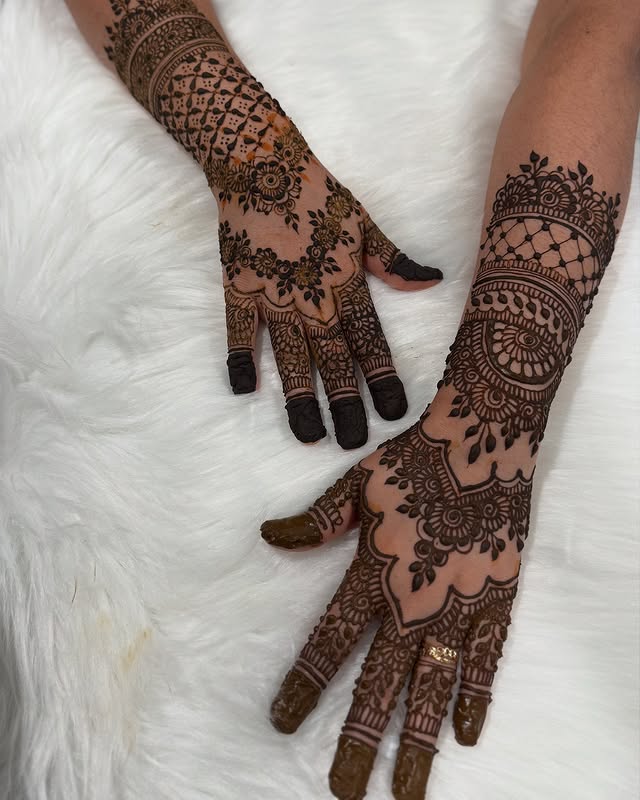

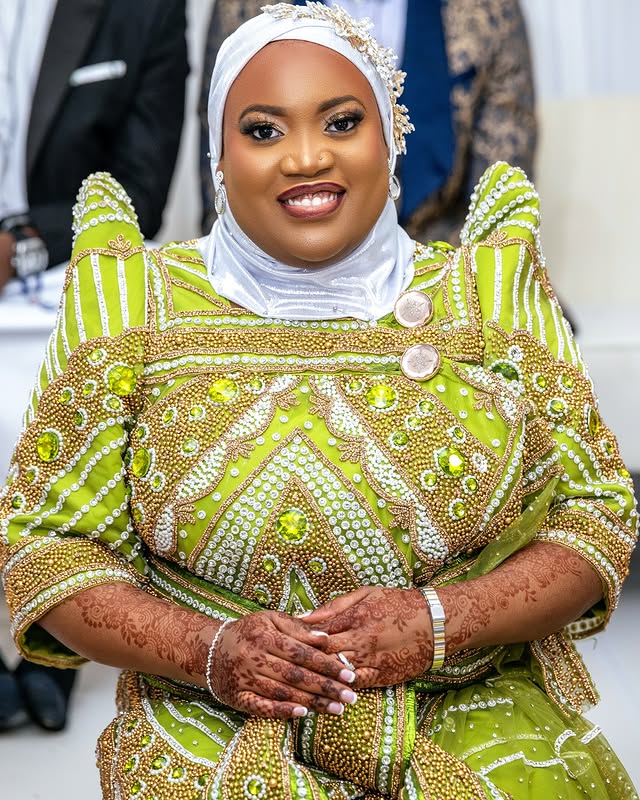
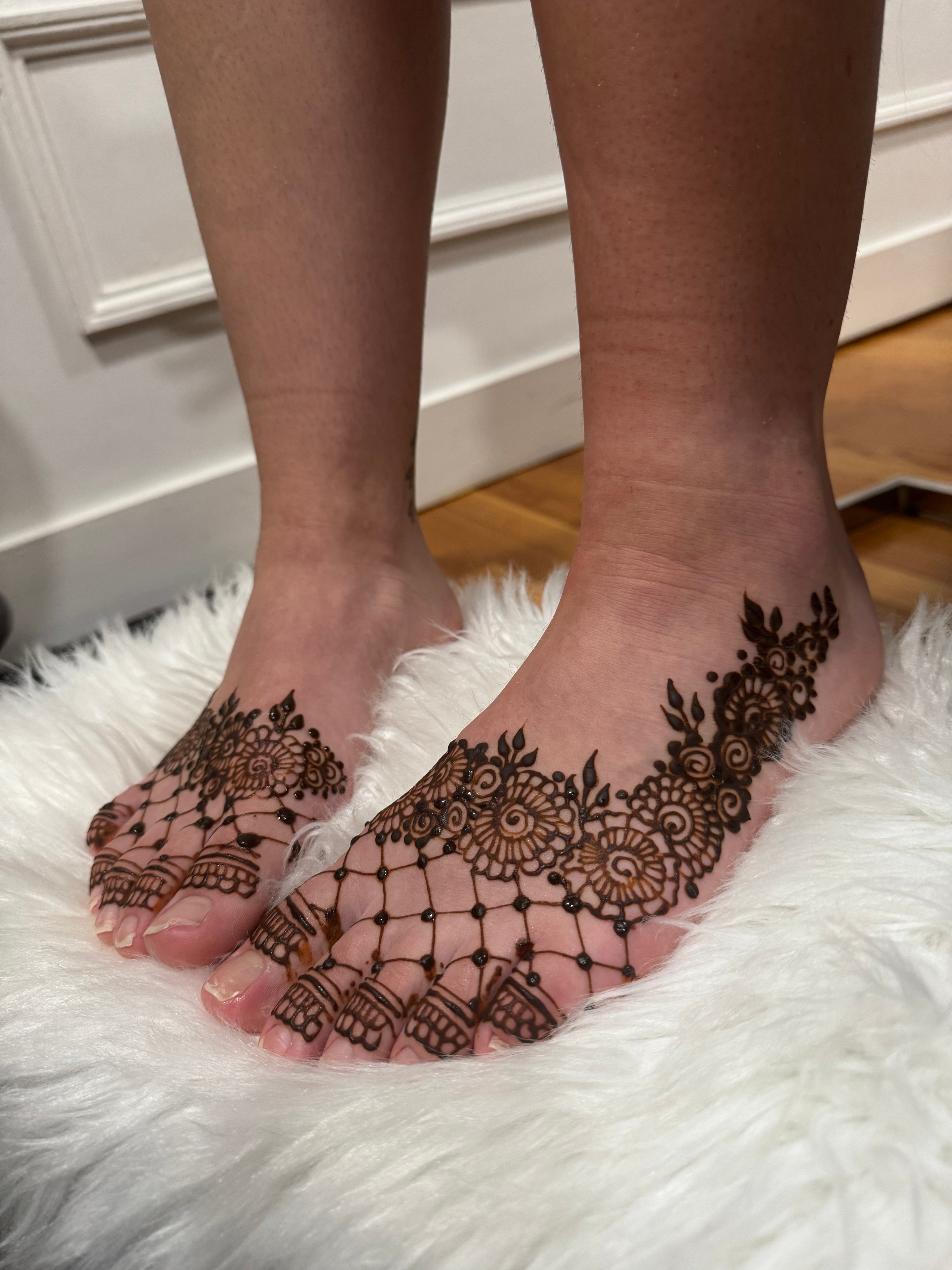
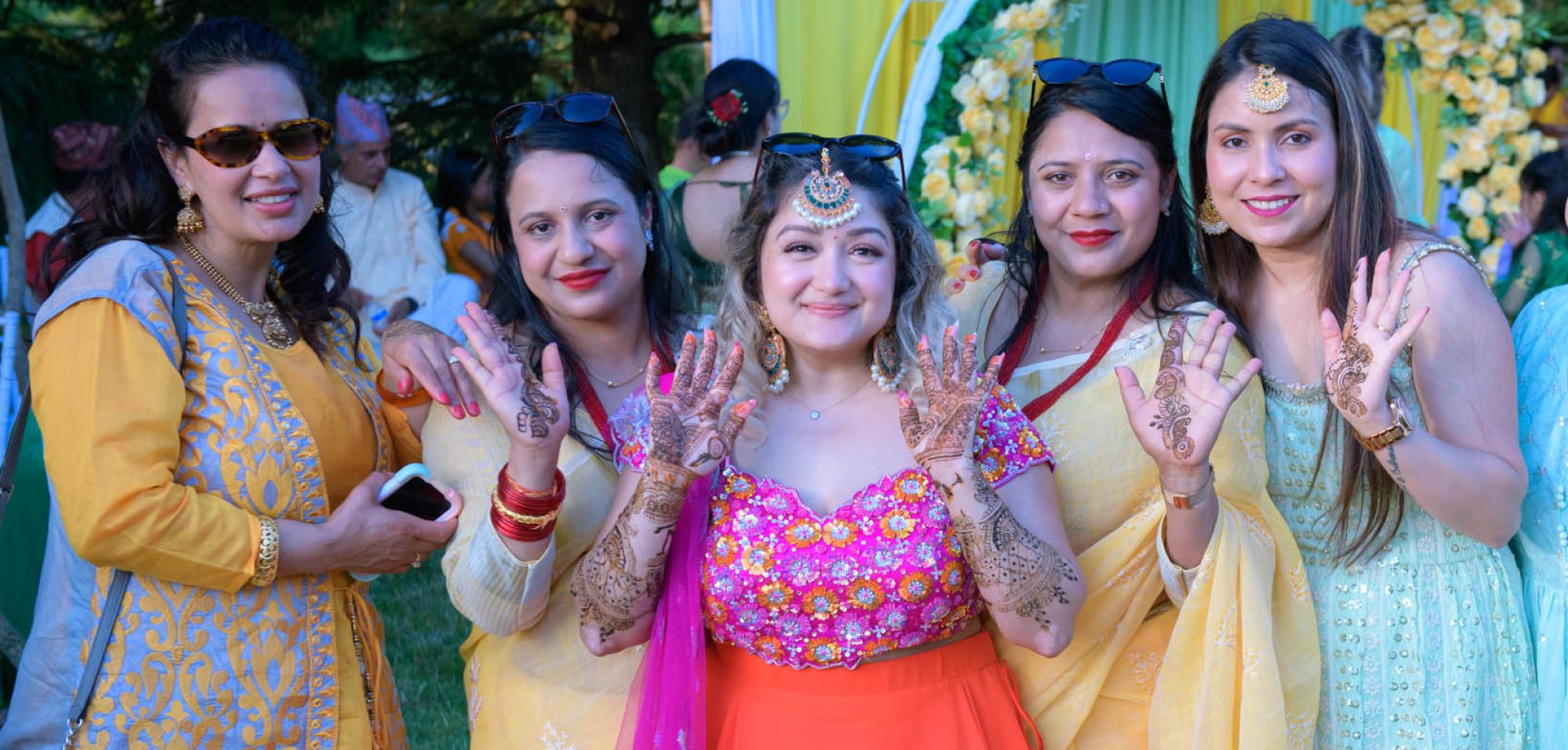
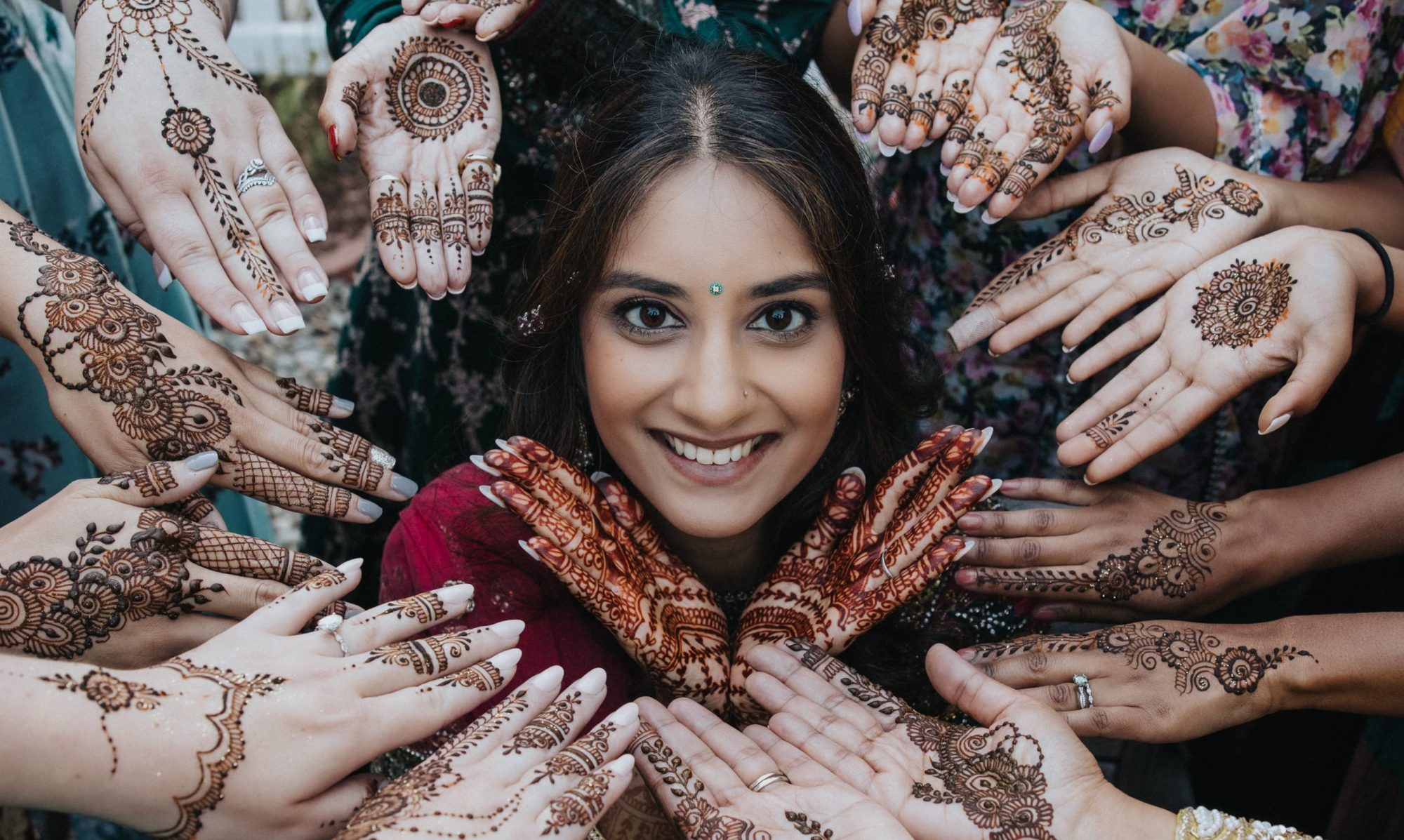
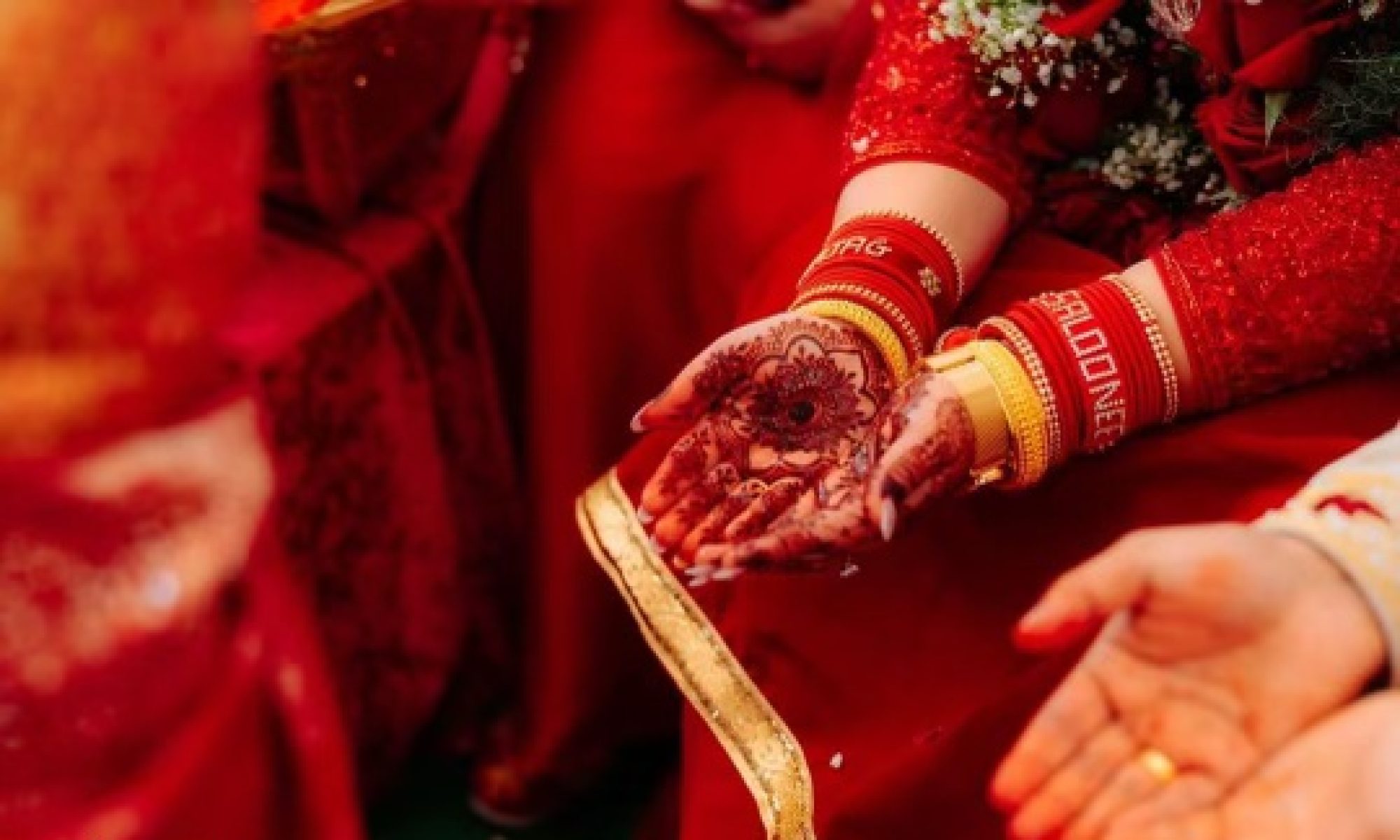

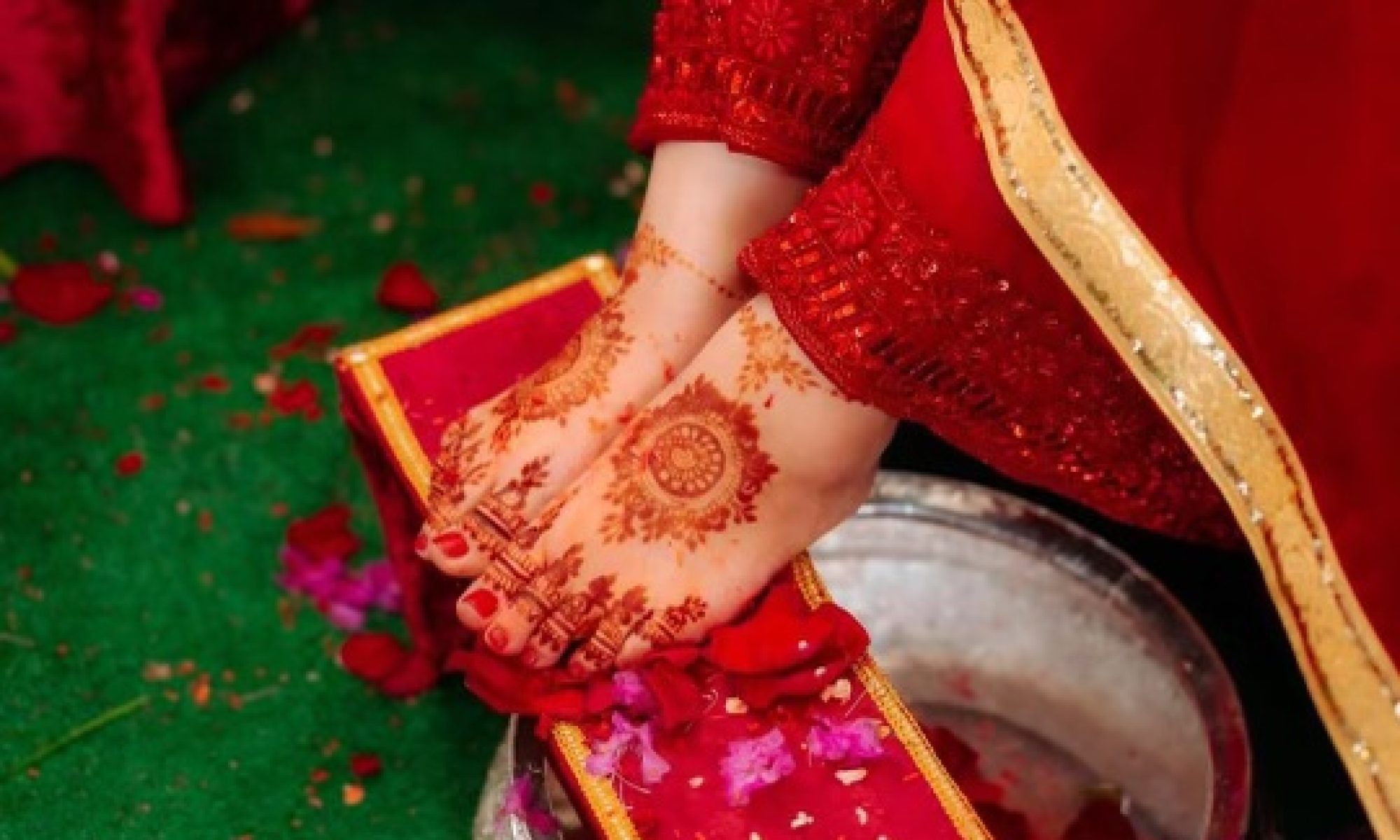
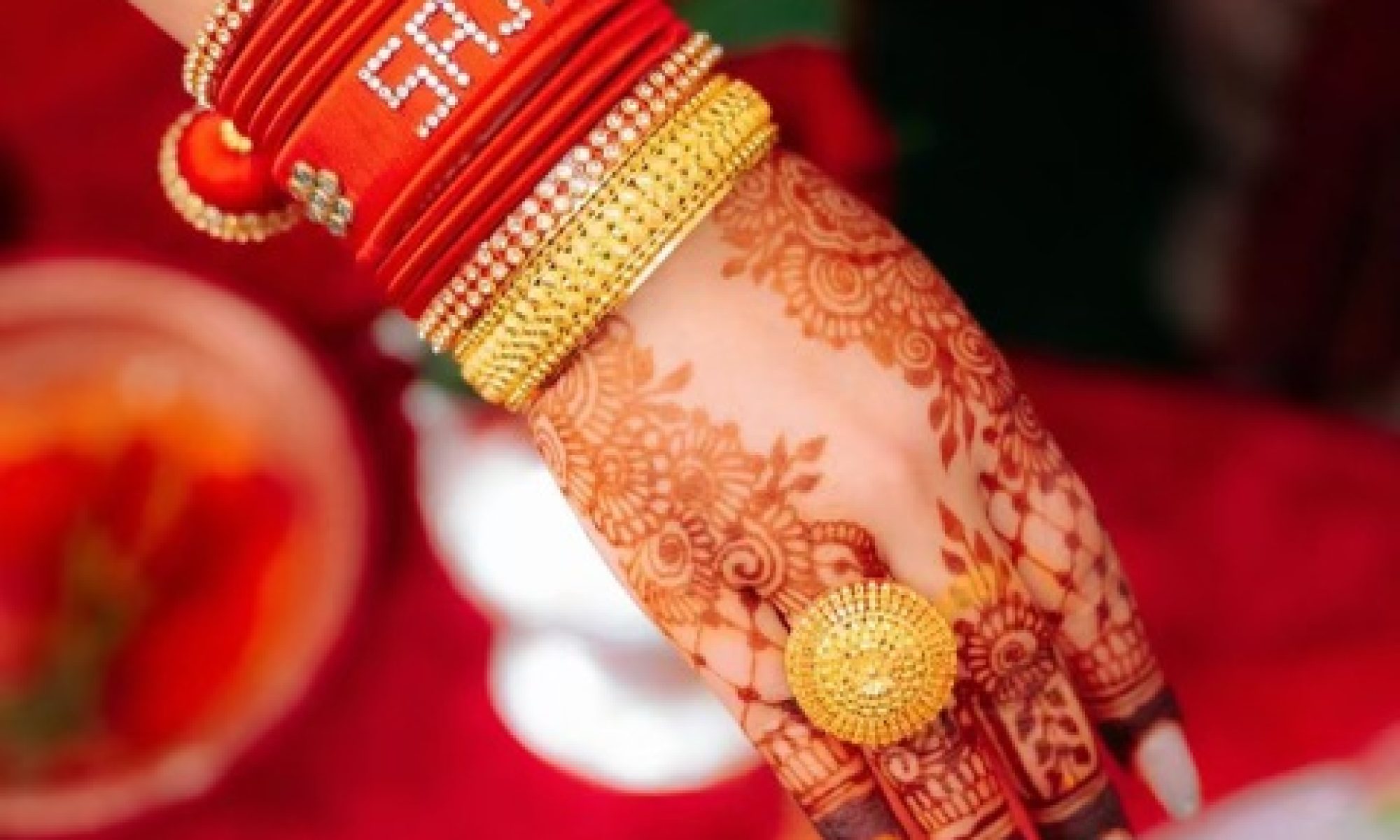
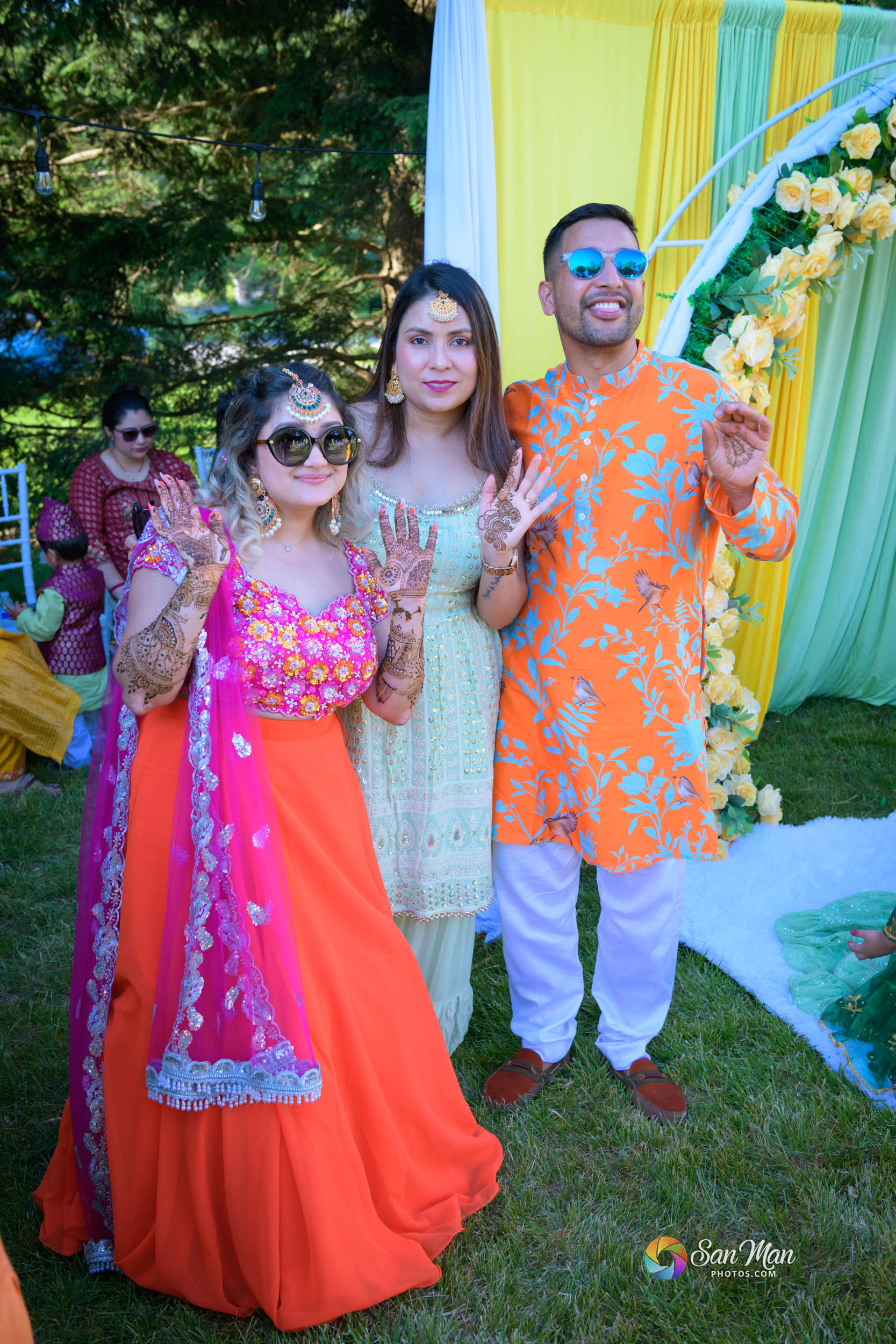
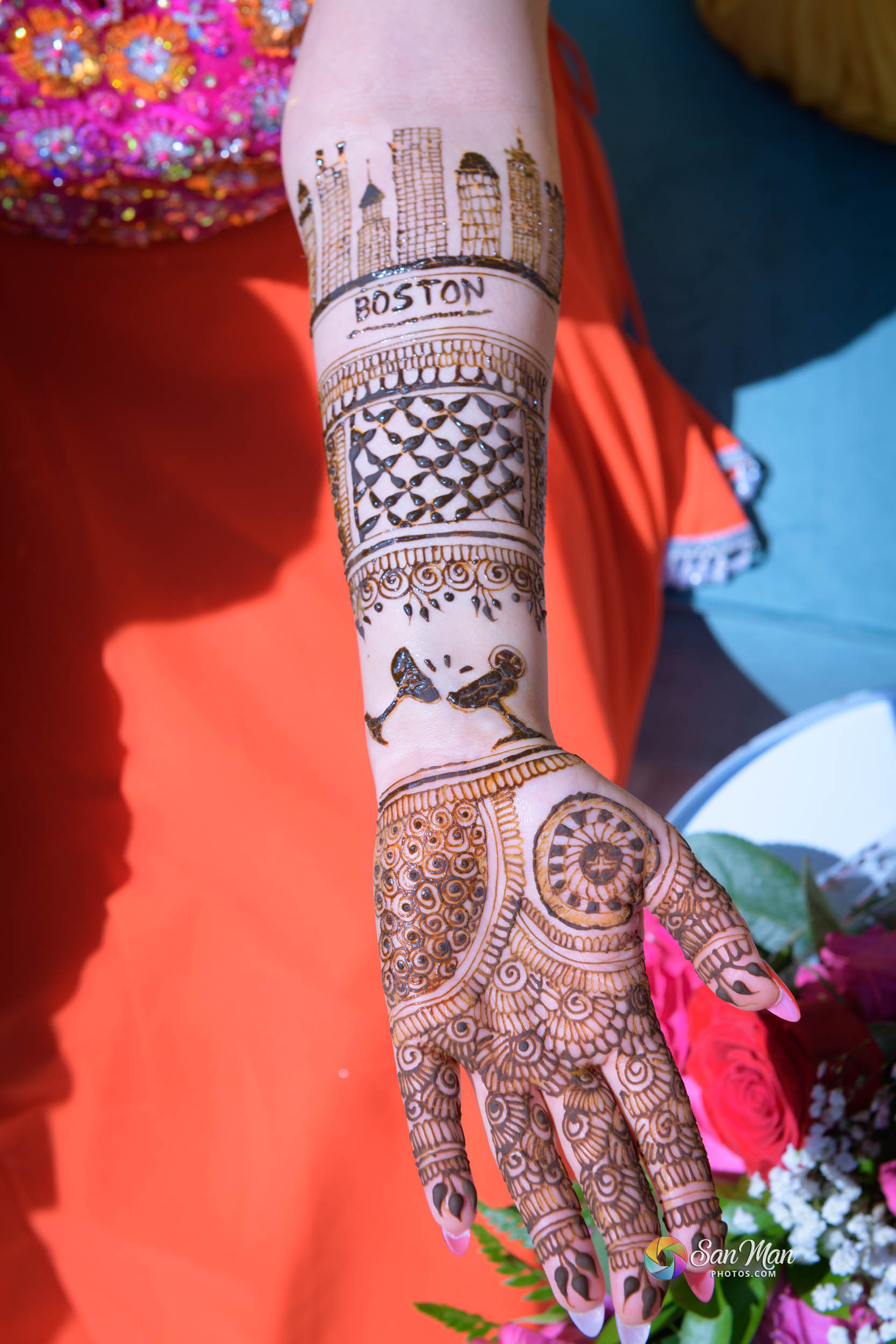
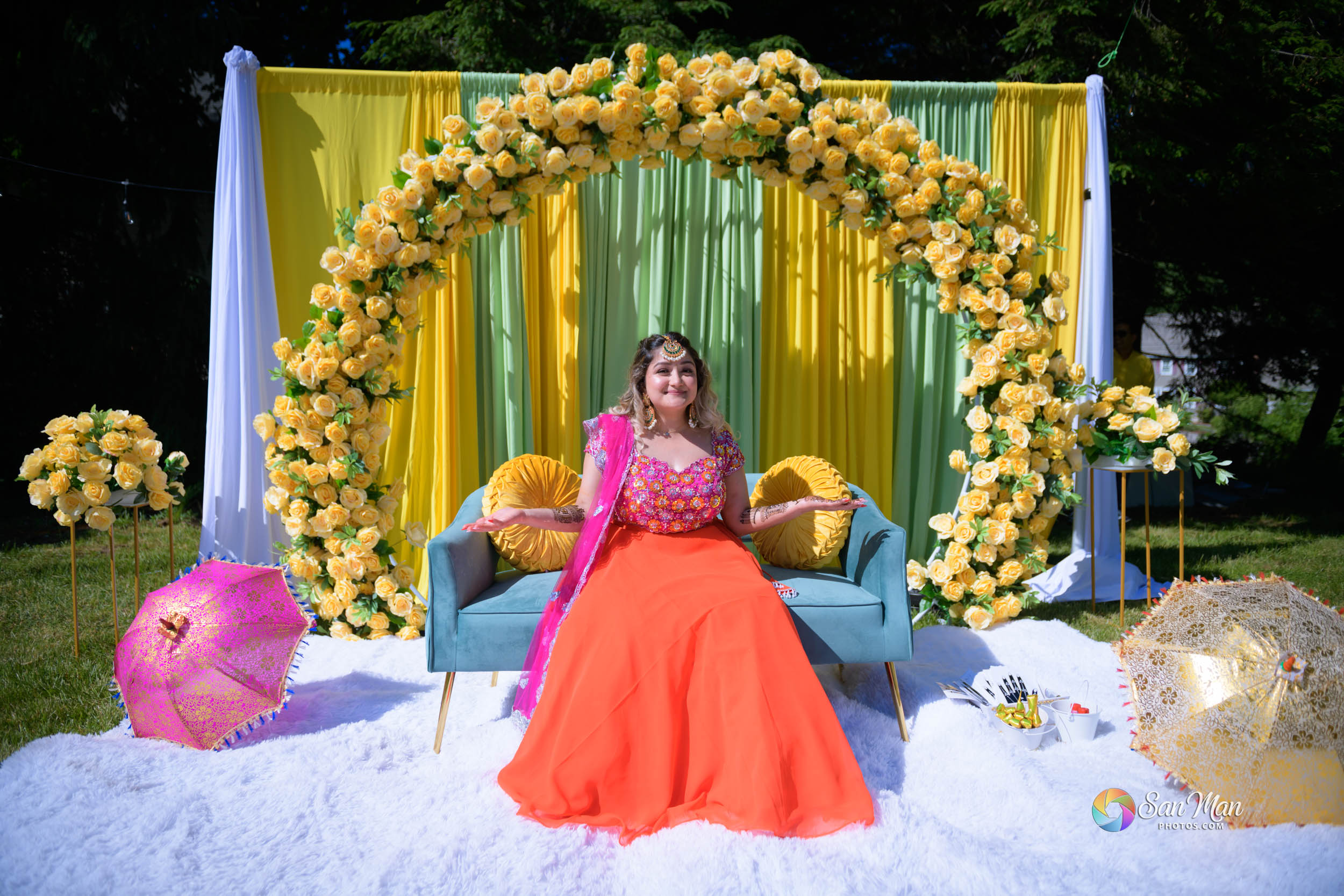
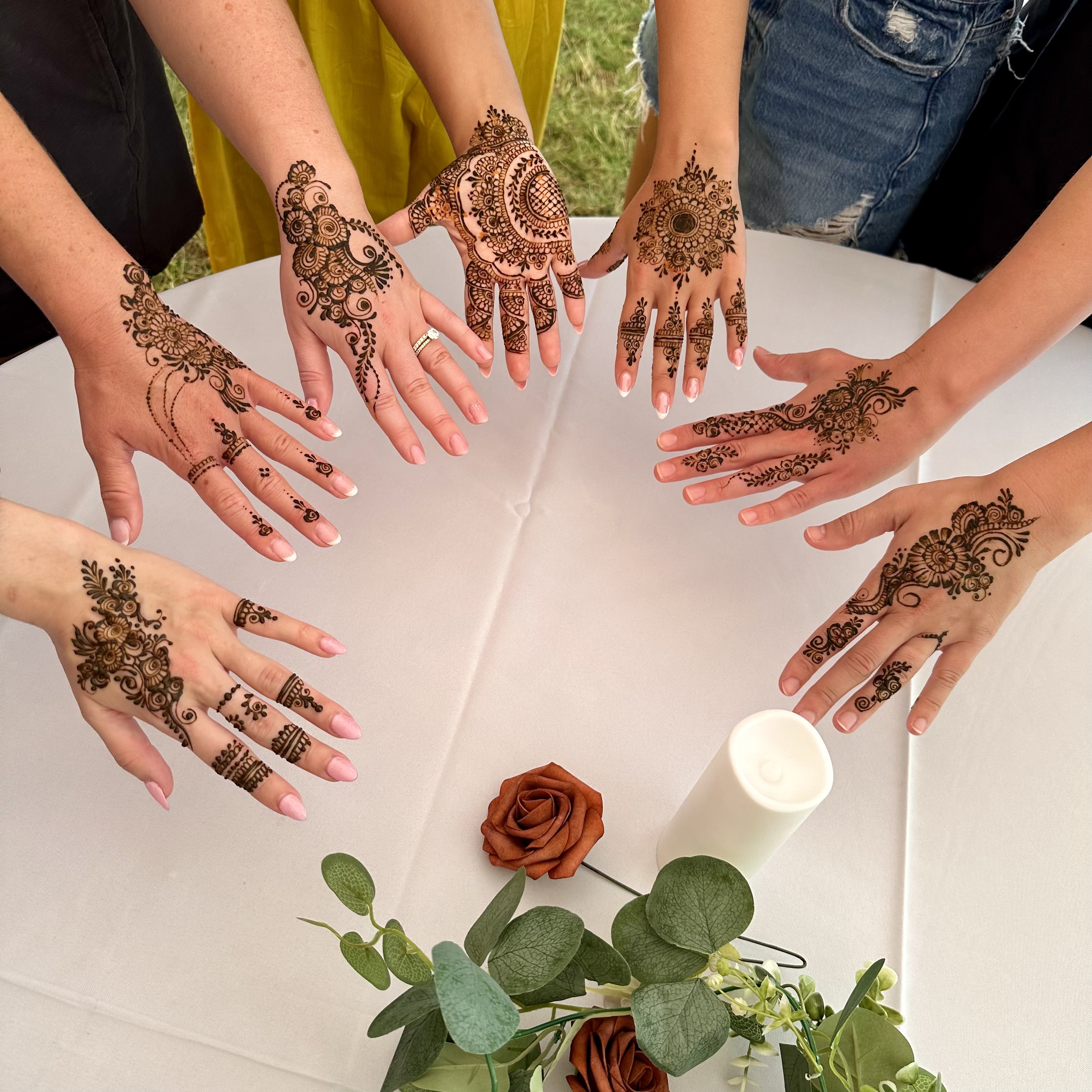
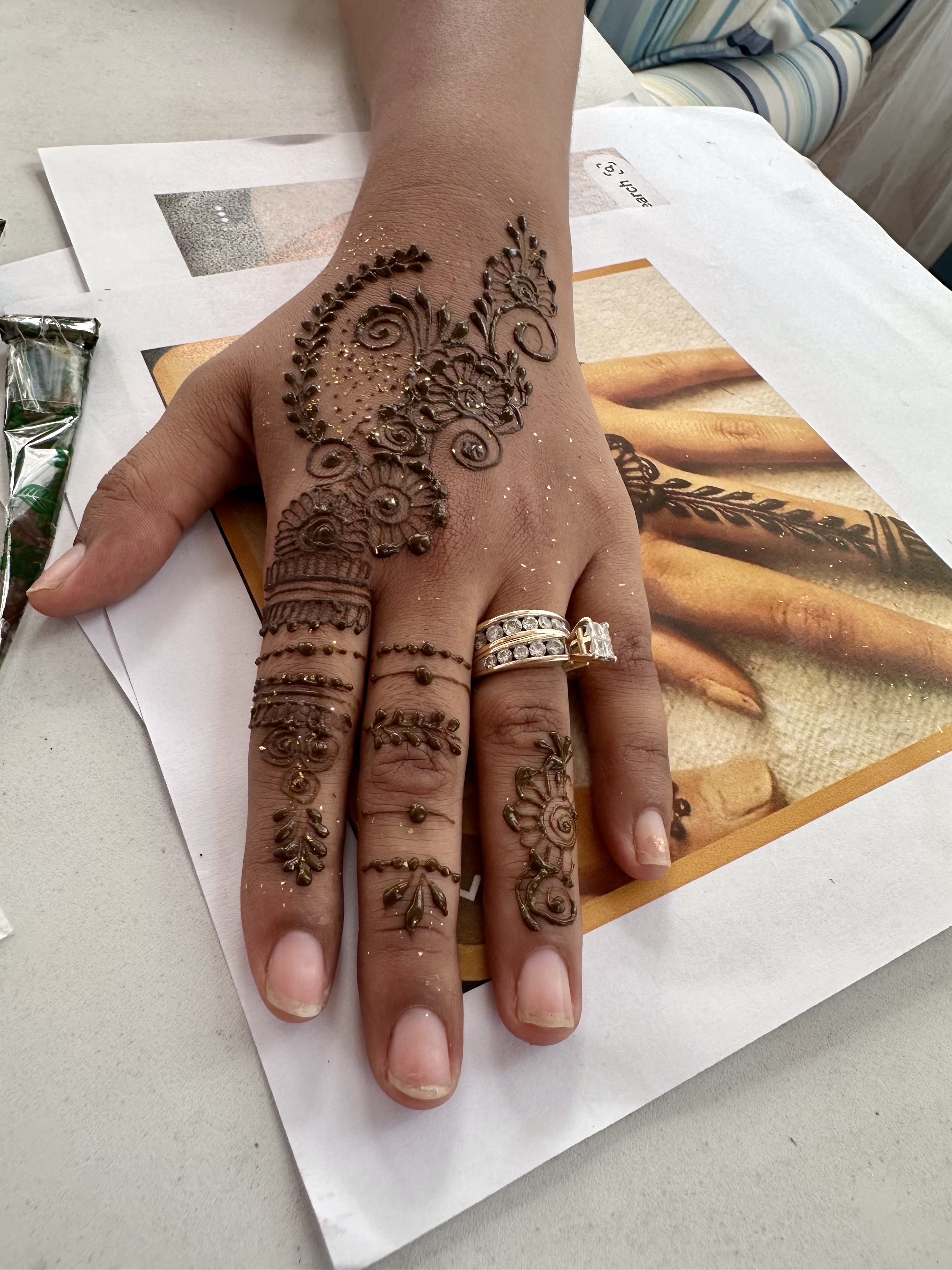
*Inquire for more details. Henna cones are also available for sale, available for travel.
Additional terms & conditions apply. ©Production By RNK
What is Henna (Mehndi)?
Mehndi is the traditional art of painting the hands, feet, or body with a paste made from the powdered, dried leaves of the henna plant (Botanical name: Lawsonia Inermis). It stains a usually cherry-red to brown color, but this can vary with time left on and a range of other factors. Coffee, lemon, tea, and essential oils are sometimes added for texture, smell or to help the stain. Mehndi started in the Middle East and Northern Africa over 5,000 years ago. It has been used for artistic, ritual, and ceremonial use. Archeologists have even found mummies with hennaed hands. It’s becoming popular for pain-free, temporary body art here in the States.
Mehndi is an ancient form of body art that has been practiced in the Middle East, India, and parts of Africa for thousands of years. Mehndi is often viewed as a woman’s practice though it has indeed been practiced by men. Mehndi is the art of applying designs to the skin through the application of pastes made with henna powder on different parts of the body. Women usually apply mehndi designs to their hands and feet, though some, including cancer patients and women with alopecia, occasionally decorate their scalps.
Henna was first applied to cool down the body. A dot was applied to the palms of the hands and helped to cool the body.
After becoming bored with the look of the single dot on the palm, the early users of henna began to add lines and other shapes. Eventually, this elaboration became the beautiful designs we see today.
In South Asia, Mehndi is applied to the body during both Hindu and Muslim weddings. Hindu women apply Mehndi during festivals like Karva Chauth, Vat Purnima, Diwali, Bhai Dooj, Navratri, Durga Puja, and Teej. Muslim women use mehndi during occasions like Eid al-Fitr and Eid al-Adha.
In the different cultures where the practice of Mehndi flourished, different styles and ways of application developed. There are the fine lines of designs of Pakistan and India. There are more geometric patterns and designs in Morocco. There are the bold geometric shapes and patterns of various parts of Africa created with a method of tape resist. Mehndi patterns are created with the application of paste with gold rods, plastic cones, plastic bottles with tips, syringes, toothpicks, and other tools henna artists have developed to get the job done and express themselves through the art of Mehndi.
Sources:
Henna Aftercare Instructions
Proper aftercare is crucial to ensure the longevity and vibrancy of henna designs. Here are some quick tips for henna aftercare:
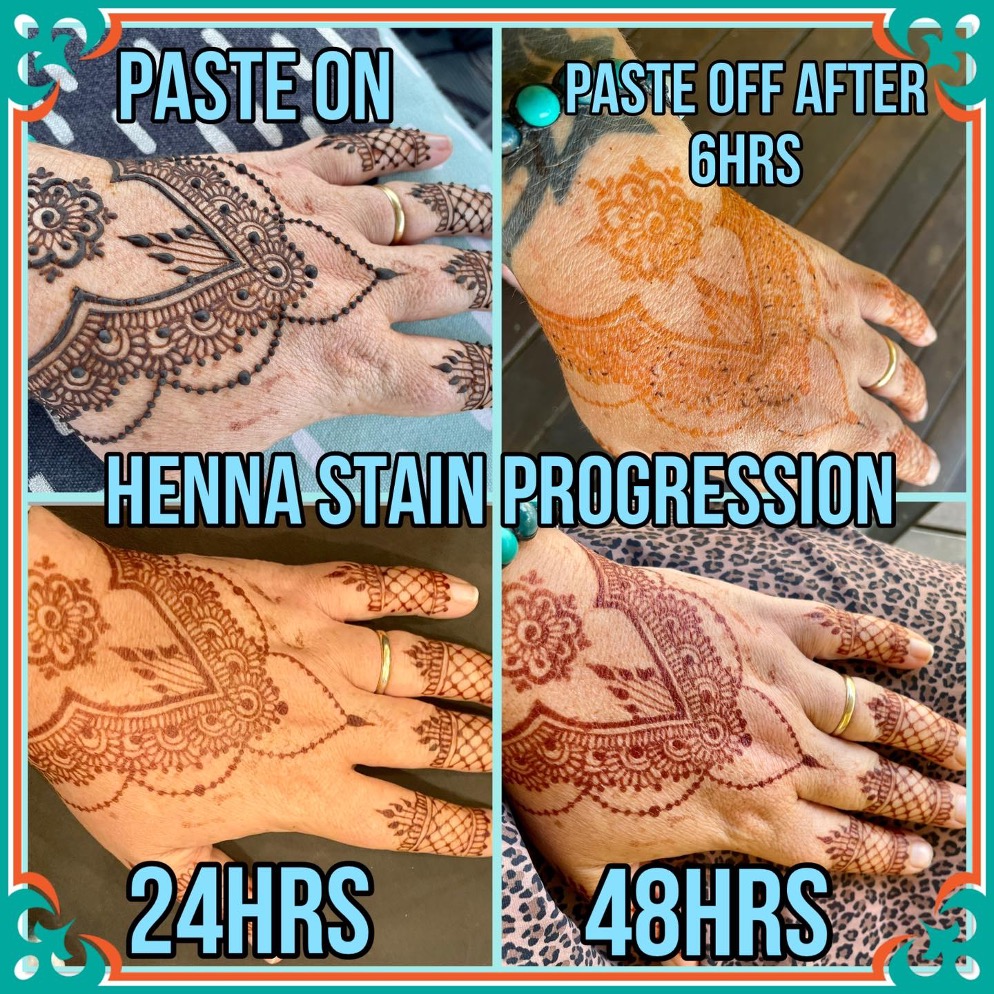
1. Leave the paste on: After the henna paste has been applied, leave it on the skin for as long as possible. The longer the paste remains in contact with the skin, the better the color will develop. Aim for at least 4-6 hours.
2. Avoid water and excessive moisture: During the first 24 hours, avoid contact with water or excessive moisture. Water can cause the henna paste to smudge or fade prematurely. Protect the design by keeping it dry.
3. Seal the design: Once the henna paste has dried, you can apply a natural sealant to help protect the design and enhance the color. Lemon sugar sealant is a popular option. Simply mix lemon juice and sugar to form a sticky solution and gently dab it over the dried henna design.
4. Avoid physical friction: Be conscious of activities that may cause friction or rubbing on the hennaed area. This includes wearing tight clothing or accessories that may scrape against the design. Minimize contact to ensure the henna lasts longer.
5. Keep the design warm: Heat helps the henna stain the skin more effectively. After removing the dried paste, you can apply heat by using a blow dryer on a low setting or exposing the design to a warm environment. This can deepen the color and improve longevity.
6. Moisturize regularly: After the henna has fully dried and the paste is removed, moisturize the area regularly to keep the skin hydrated. Natural oils like coconut oil or shea butter are commonly used for this purpose. Apply a thin layer of moisturizer to the design a few times a day to help maintain the color.
7. Avoid exfoliation: Avoid exfoliating the hennaed area as it can cause the design to fade faster. Gentle skincare routines are recommended to preserve the henna for a longer period.
8. Protect from sunlight: Sun exposure can fade henna designs more quickly. If possible, keep the hennaed area protected from direct sunlight or apply sunscreen to shield the design from UV rays.
Remember, the intensity and duration of henna color can vary depending on factors like skin type, body location, and aftercare. Following these aftercare tips will help maximize the lifespan and vibrancy of your henna art.
Instagram: Click Here to Follow


 Production by RNK